Aluminum Louvers Price China – Blade Angle Pitch
1. System Overview — A Louver Is a Screen Set to an Angle
An aluminum louver is a screen of blades set between a frame, and the honest engineering question of a louver is not the frame, it is the blade, because a louver is only as good as the blade geometry, and the blade geometry is the angle and the pitch and the profile that set what the louver passes and what it stops. What defines a louver is the blade that stops the sun and passes the air, the frame that holds the blade, and the drainage that takes the water the blade sheds, and the three are set to the function the louver is built for. Richocean manufactures aluminum louvers in Foshan from 6063-T6 aluminum, with the blade geometry set to the angle and the pitch and the profile, the frame set to the span and the wind, and the drainage set to the water the blade sheds.
Three questions decide whether a louver works: whether the blade geometry is set to the function the louver is built for, whether the frame carries the blade and the wind the blade catches, and whether the drainage takes the water the blade sheds. The blade is the product, the frame is the structure, and the drainage is the weather, and the three together are the louver the building faces.
2. Blade Geometry — Angle, Pitch and Profile
The blade is the product of the louver, and the blade geometry is the angle and the pitch and the profile that set what the louver passes and what it stops:
- The angle: the angle is the tilt of the blade from the vertical, and the angle is the dimension that sets what the louver passes and what it stops, and a closed angle stops the sun and the air, and an open angle passes the air and stops the high sun
- The pitch: the pitch is the overlap of the blades, and the pitch is the dimension that sets how much of the sun the louver stops, and the closer the pitch, the more the louver stops, and the wider the pitch, the more the louver passes
- The profile: the profile is the shape of the blade in section, and the profile is the dimension that sets the rigidity of the blade and the way the water sheds, and the profile is the part of the blade that the wind load and the drainage are set to
- The blade width: the width of the blade is set to the pitch and the overlap, and the blade width is the dimension the angle is set to, and the blade width is the part of the geometry that the sun is stopped by
- Angle by function: the angle is set to the function, and the shading louver is set to the angle that stops the sun, and the ventilation louver is set to the angle that passes the air, and the security louver is set to the closed angle, so the angle is the dimension the function is set to
- Fixed vs operable: the blade is fixed at the set angle, or operable at the range, and the operable blade is set to the actuator and the control, so the louver is set to the angle the building needs
The blade geometry is the angle and the pitch and the profile that set what the louver passes and what it stops, and the angle is the dimension that sets the function, and the pitch is the dimension that sets the overlap, and the profile is the dimension that sets the rigidity and the drainage. The blade width is set to the pitch and the overlap, and the angle is set to the function, and the blade is fixed at the set angle or operable at the range, so the blade geometry is the product the louver is built on.
3. The Frame and the Wind — What the Blade Catches
- The frame: the frame is the member that holds the blade, and the frame is set to the span and the wind, and the frame is the structure the louver is built on
- The wind on the blade: the wind catches the blade, and the blade is the member that faces the wind, and the wind load is set to the angle of the blade, because the more the blade is open to the wind, the more the wind catches the blade
- The blade support: the blade is supported by the frame at the ends, and the blade spans between the supports, and the blade is a member in the wind, and the blade is set to the span and the wind
- The blade rigidity: the profile of the blade is the rigidity of the blade, and the rigid blade does not flutter in the wind, and the profile is the part of the blade that the flutter is stopped by
- The mullion and the transom: the mullion and the transom of the frame are the members that carry the blade and the wind, and the mullion is set to the height and the wind, and the transom is set to the span of the blade
- The attachment: the frame is attached to the structure, and the attachment is set to the structure and the wind, so the louver is tied to the building and not just in front of it
The frame is the member that holds the blade, and the wind catches the blade, and the wind load is set to the angle of the blade, because the more the blade is open to the wind, the more the wind catches the blade. The blade spans between the supports of the frame, and the profile of the blade is the rigidity that stops the flutter, and the mullion and the transom carry the blade and the wind, and the frame is attached to the structure, so the louver is tied to the building and not just in front of it, and the frame is the structure the blade stands on.
4. Drainage — The Water the Blade Sheds
- The blade sheds the water: the rain falls on the blade, and the blade sheds the water to the pitch, and the water is the load the louver carries with the wind, so the drainage is set to the water the blade sheds
- The pitch and the drain: the pitch of the blade is the way the water sheds, and the water runs off the blade and into the drain, and the drain is the member that takes the water out of the louver
- The drain line: the louver is set with a drain line at the bottom, and the drain line is the channel that the water runs to, and the drain line is the part of the louver that the water is routed out by
- The weep: the weep is the opening that the water leaves the louver at, and the weep is set to the bottom of the frame, and the weep is the part of the louver that the water is out of
- The blade profile and the water: the profile of the blade is set to the water, and the profile sheds the water to the pitch, and the profile is the part of the blade that the water is shed by
- Drainage by function: the drainage is set to the function, and the louver that faces the weather is set to the drainage that takes the water, so the louver is the screen that passes the air and sheds the water
The drainage is the water the blade sheds, because the rain falls on the blade and the blade sheds the water to the pitch, and the water runs off the blade and into the drain, and the drain line is the channel that the water runs to, and the weep is the opening that the water leaves the louver at. The profile of the blade is set to the water and sheds the water to the pitch, so the louver is the screen that passes the air and sheds the water, and the drainage is the weather the louver is set to.
5. Solar Shading — What the Louver Stops
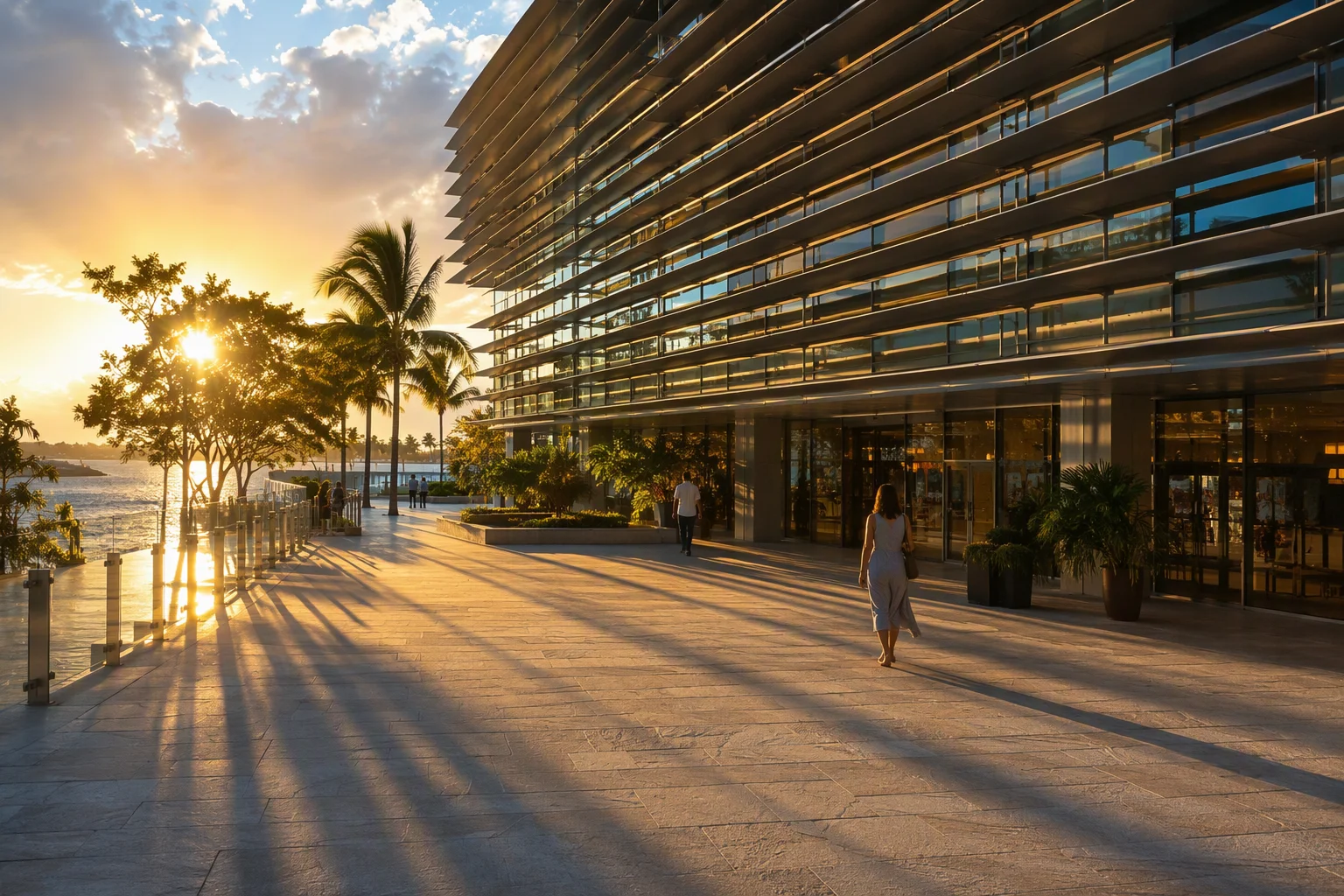
- The sun and the blade: the sun faces the louver, and the blade stops the sun at the angle, and the louver is the shading that stops the sun before it reaches the glass or the wall behind
- External shading: the louver is the external shading, and the external shading stops the sun before it enters, and the louver is the most effective shading, because the heat is stopped before it reaches the glass
- The angle and the sun: the angle of the blade is set to the sun, and the angle stops the high sun and passes the low sun, and the angle is the dimension the sun is stopped by
- The air and the sun: the louver passes the air and stops the sun, and the air is the part of the louver that the shading does not stop, so the louver is the shading that breathes
- The facade: the louver is the facade of the building, and the louver is the element that the building faces the sun through, and the louver is the shading and the screen and the weather of the building
- The function: the louver is set to the function, and the shading louver is set to the sun, and the ventilation louver is set to the air, and the security louver is set to the closed angle, so the louver is the element the function is set to
The louver is the external shading, and the external shading stops the sun before it enters, and the louver is the most effective shading, because the heat is stopped before it reaches the glass. The angle of the blade is set to the sun, and the angle stops the high sun and passes the low sun, and the louver passes the air and stops the sun, so the louver is the shading that breathes, and the louver is the facade of the building and the element the building faces the sun through.
6. Performance Specification Table
| Parameter | Standard / Basis | Typical Value |
|---|---|---|
| Alloy | 6063-T6 | 170 MPa yield |
| Blade angle | Set to the function | fixed or operable range |
| Blade pitch | Set to the overlap | the closer, the more it stops |
| Blade profile | Set to rigidity and water | rigid, sheds the water |
| Structural performance | ASTM E330 | tested to wind |
| Wind on the blade | Set to the angle | the open blade catches more |
| Drainage | Drain line + weep | water out at the bottom |
| Operable actuator | 24V DC, SELV | set to the blade torque |
| Hardware | SS304 / SS316 | SS316 for coastal |
| Finish | Powder / anodized / PVDF | C5-M for marine |
7. System Comparison — Fixed vs Operable vs Closed Security
| Criterion | Fixed Shading Louver | Operable Ventilation Louver | Closed Security Louver |
|---|---|---|---|
| Angle | fixed, set to the sun | range, set to the air | closed, set to the lock |
| Function | stops the sun | passes the air, stops the sun | stops the access |
| Pitch | set to the sun | set to the air | closed, no gap |
| Wind on the blade | set to the angle | set to the range | set to the closed angle |
| Drainage | drain line + weep | drain line + weep | seal, no drainage |
| Relative cost | base | premium, the actuator | premium, the lock |
8. Technical FAQ
Q: What does the blade angle of a louver set?
A: The angle sets what the louver passes and what it stops. A closed angle stops the sun and the air, and an open angle passes the air and stops the high sun, and the angle is the dimension that sets the function the louver is built for. The shading louver is set to the angle that stops the sun, the ventilation louver is set to the angle that passes the air, and the security louver is set to the closed angle, so the angle is the dimension the function is set to, and the blade is fixed at the set angle or operable at the range.
Q: Why does the wind load on a louver depend on the blade angle?
A: Because the blade is the member that faces the wind, and the more the blade is open to the wind, the more the wind catches the blade. The wind load is set to the angle of the blade, and the blade spans between the supports of the frame, and the profile of the blade is the rigidity that stops the flutter in the wind. The mullion and the transom carry the blade and the wind, and the frame is attached to the structure, so the louver is tied to the building and not just in front of it, and the angle is the dimension the wind load is set to.
Q: How does a louver drain the water it catches?
A: The rain falls on the blade and the blade sheds the water to the pitch, and the water runs off the blade and into the drain, and the drain line is the channel that the water runs to at the bottom of the louver. The weep is the opening that the water leaves the louver at, and the weep is set to the bottom of the frame, so the water is not stored in the louver. The profile of the blade is set to the water and sheds the water to the pitch, so the louver is the screen that passes the air and sheds the water, and the closed security louver is the one that seals and does not drain, because it stops the access and not the weather.
Q: Why is a louver the most effective external shading?
A: Because the louver is the external shading, and the external shading stops the sun before it enters, and the louver is the most effective shading, because the heat is stopped before it reaches the glass. The angle of the blade is set to the sun, and the angle stops the high sun and passes the low sun, and the louver passes the air and stops the sun, so the louver is the shading that breathes. A coating on the glass stops the sun after it enters, and an internal blind stops the sun after it is in, but the louver stops the sun before it reaches the glass, so the louver is the first line of the shading of the building.
9. China Market Position — Why Richocean
Richocean manufactures aluminum louvers in Foshan with automated extrusion, CNC fabrication and in-house anodizing and coating lines, exporting to Europe, North America, the Middle East, and Southeast Asia. Factory-direct supply reduces cost versus Western distributors, with EN/ASTM documentation, blade geometry and pitch coordination and drainage and actuator guidance supplied per project.
10. Illustrative Project Applications
Example A — Commercial Facade Shading Louver (Illustrative)
A fixed shading louver on a commercial facade, with 6063-T6 blades set to the angle that stops the sun and the pitch that sets the overlap, a frame set to the span and the wind, and a drain line and a weep at the bottom, so the facade is shaded and the air passes and the water is out. Illustrative configuration; not a quoted project.
Example B — Coastal Operable Ventilation Louver (Illustrative)
An operable ventilation louver on a coastal building, with blades set to the range that passes the air, an actuator rated to the blade torque, a frame set to the wind, and a drain line and a weep at the bottom, in a coastal setting with C5-M and SS316 hardware, where the louver passes the air and stops the sun and sheds the salt and the water. Illustrative configuration; not a quoted project.
11. Price Factors — What Drives Cost
Louvers are usually quoted per square meter, and the rate rises with the area, the blade and the function. Cost drivers include:
- Area: the area of the louver, which sets the number of blades and the frame
- Blade geometry: the angle and the pitch and the profile, set to the function, and the blade width set to the pitch and the overlap
- Function: the shading, the ventilation or the security, and the fixed or the operable blade, and the actuator rated to the blade torque where operable
- Frame: the mullion and the transom set to the span and the wind, and the attachment set to the structure
- Drainage: the drain line and the weep, set to the water the blade sheds
- Finish and exposure: powder coat, anodized or PVDF, with C5-M and SS316 for coastal sites
12. Installation, Commissioning & Maintenance
- Setting out: the frame lines set to the structure, and the mullion spacing set to the wind, so the louver is on the structure and the frame carries the blade and the wind
- Blade set: the blade set to the angle, and the pitch set to the overlap, and the profile set to the rigidity and the water, so the blade geometry is set to the function
- Drainage: the drain line set at the bottom, and the weep set to the frame, so the water the blade sheds is out of the louver
- Operable check: the actuator and the blade tested through the full range, so the louver opens and closes to the angle and the air is passed
- Attachment: the frame attached to the structure and set to the wind, so the louver is tied to the building and not just in front of it
- Maintenance: periodic inspection of the blade, the frame and the drainage, with the weep checked for the water and the blade checked for the angle and the pitch
Handover should record the louver, the blade and the geometry, the frame and the attachment, the drainage and the weep, and, where operable, the actuator and the range, and the maintenance interval for the blade, the frame and the drainage.
13. 360° Service & Founder Philosophy
Richocean’s 360 service covers schedule review and shop drawings, blade geometry and pitch checks, frame and attachment coordination, drainage and weep specification, installation and commissioning guidance and warranty terms on the blade, the frame, the drainage and the hardware. The founder’s philosophy — Passion Plus Extreme Requirements Equals Peace of Mind — means every blade, frame and weep must hold for the life of the building, because a louver is only as good as its blade set to the angle and its water out at the weep.
14. Conclusion
The Aluminum Louver Manufacturer China Foshan Factory Price Blade Angle Pitch Drainage advantage is total — 6063-T6 blades set to the angle and the pitch and the profile, a frame set to the span and the wind, and a drain line and a weep at the bottom, delivered directly from Richocean’s Foshan factory. Send your drawings with the louver area, the function and the angle requirement for a project-specific quotation.