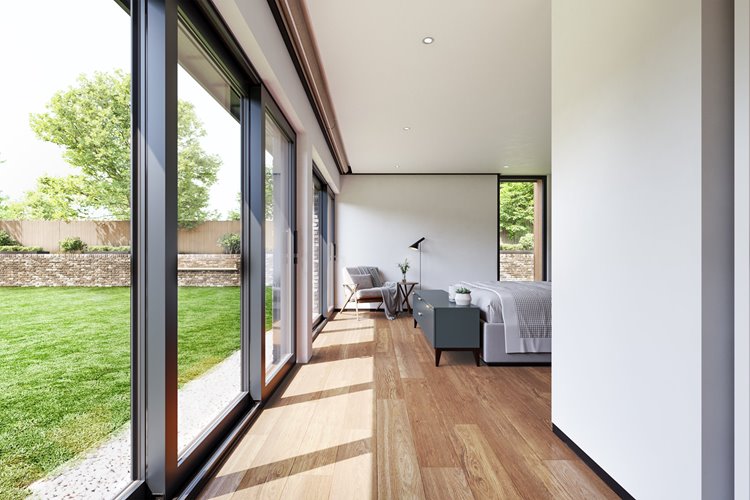
Intelligent Electric Windows Manufacturer China Factory Price 24V DC Motorized Control
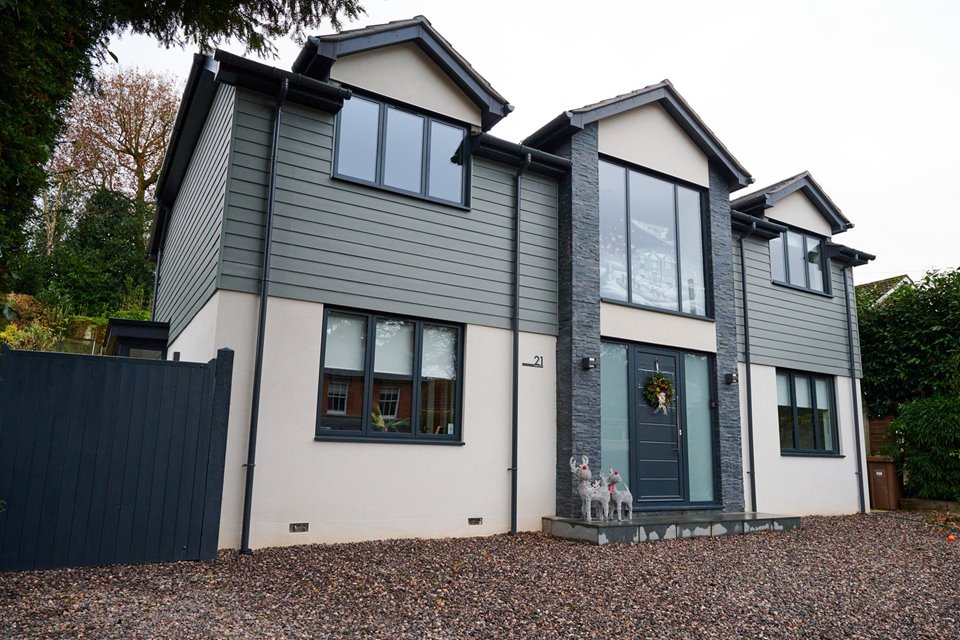
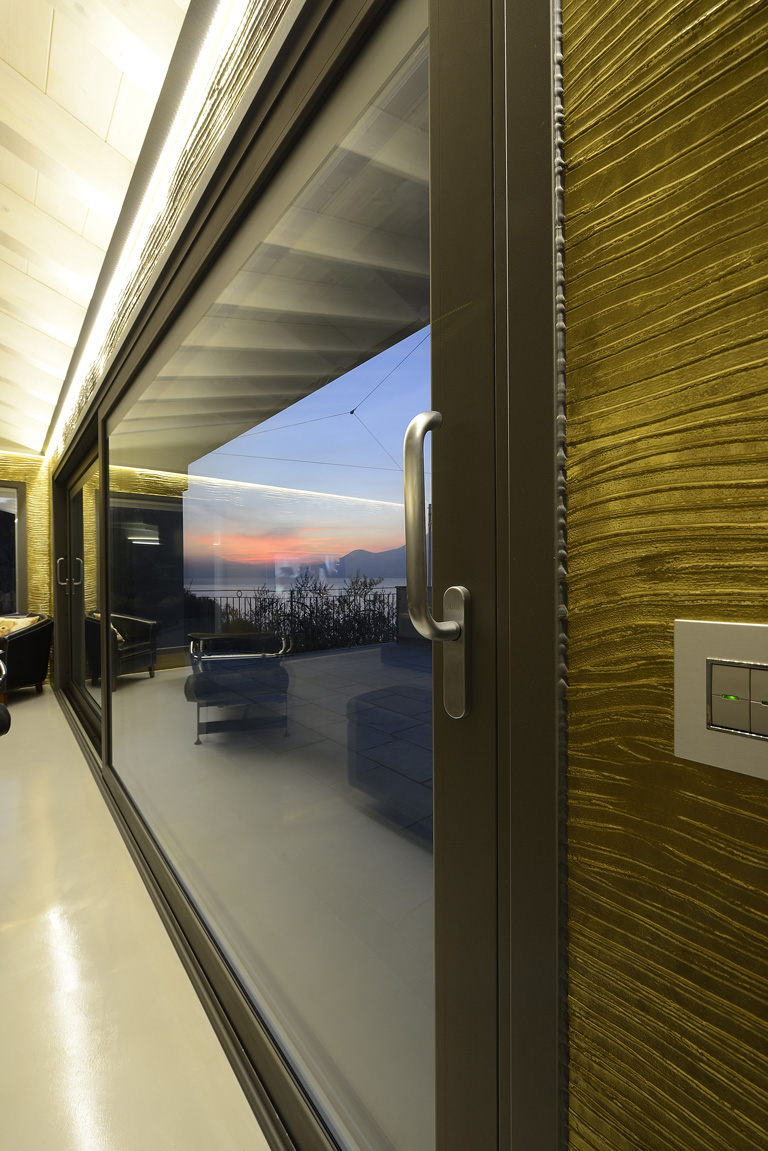
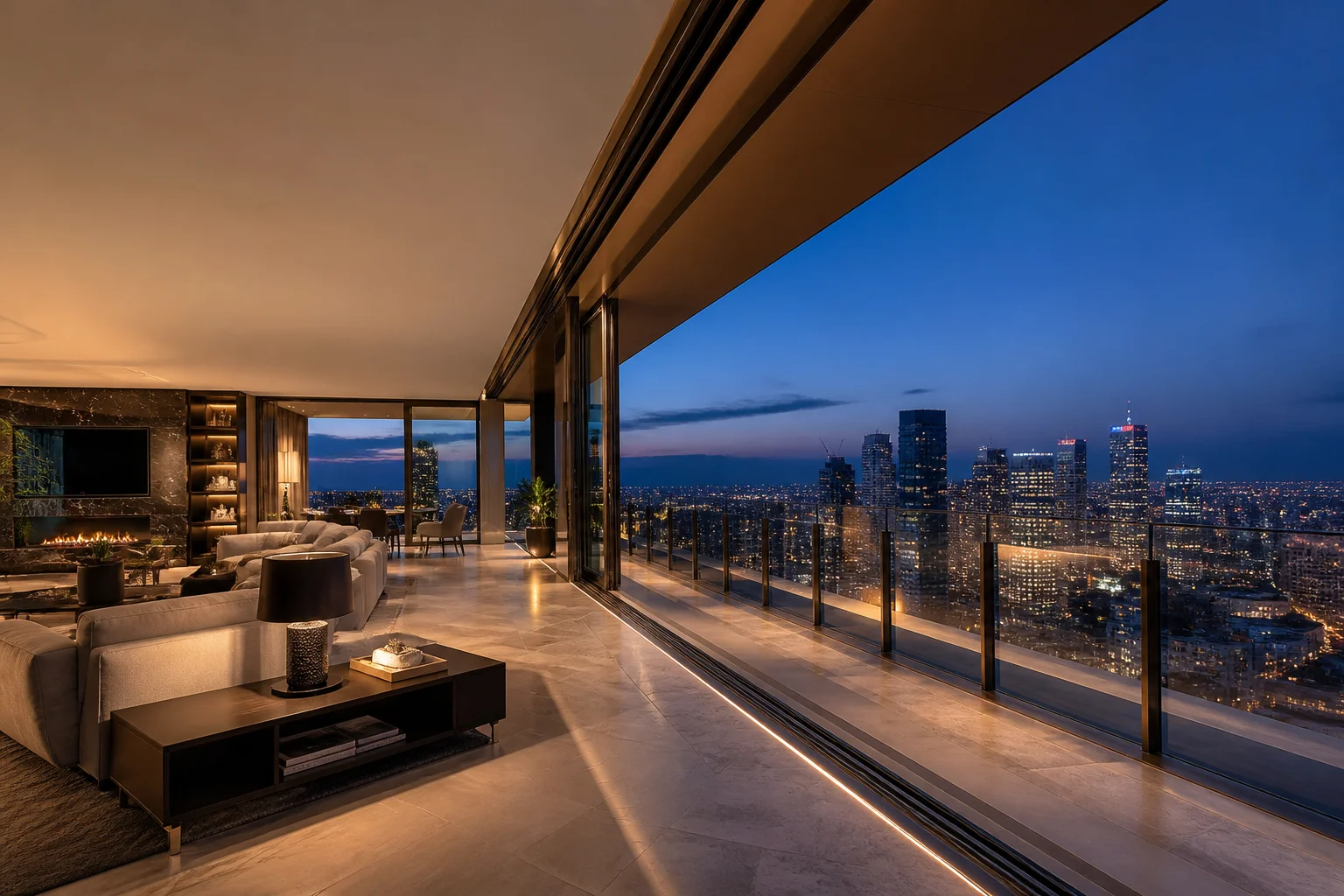
1. System Overview — Actuation as an Engineered Sub-System
The Intelligent Electric Windows Manufacturer China Factory Price 24V DC Motorized Control benchmark — Richocean’s electric window systems combine a 6063-T6 aluminium window with a concealed 24 V DC actuator, a control interface, and safety logic so the opening responds to a command, a sensor, or a building management system. As a Foshan factory, Richocean integrates actuation, glazing, and control into one tested assembly at factory-direct pricing, rather than buying a window and an actuator separately and hoping they agree.
The four building blocks are always the same, whatever the configuration: a fatigue-rated frame, a low-voltage actuator matched to sash weight, a control layer that speaks a recognised protocol, and a defined fail-safe behaviour when power or signal is lost. Get any one of the four wrong and the opening becomes a maintenance liability rather than an amenity.
2. Core Material Science — 6063-T6 Frames Built for Repeated Cycling
An electric window adds thousands of operating cycles to a sash that would otherwise be opened by hand a few times a day, so the frame and hinge hardware are specified for fatigue rather than one-off strength. Richocean specifies 6063-T6 aluminum aged to 170 MPa yield, with wall thickness of 1.8–2.5 mm, reinforcement where the actuator imposes point loads, and CNC-machined hinge and actuator brackets held to 0.1 mm accuracy.
Because the operator pushes at a fixed point, the sash must resist local distortion; reinforcement plates are therefore placed at the actuator mounting rather than added evenly across the profile, which keeps weight — and therefore actuator duty — under control.
3. Glazing Specification — Weight Is the Control Problem
Glass choice determines actuator duty, so glazing and actuation are specified together rather than separately:
- Sash weight: actuator torque and stroke are matched to the glazed sash, not the bare frame
- Build: double glazed Low-E typical; triple glazed where thermal targets demand it
- Safety glazing: laminated or tempered where the sash moves over an accessible area
- Acoustics: asymmetric laminated builds deliver measurable sound reduction
- Solar control: Low-E or solar-control coatings reduce heat gain on large automated panes
For roof glazing and overhead applications, laminated glass with an interlayer is normally required for post-break integrity, and the automated travel often needs a restricted stroke so the sash never overhangs an occupied area.
4. Control & Actuation Engineering — Motors, Sensors, Protocols
The intelligence of an electric window lives in the control layer, which must fail safely rather than simply fail:
- Actuator: 24 V DC linear or chain actuator for controlled, repeatable stroke and low-voltage safety
- Protocols: KNX, ZigBee, or RS485 interfaces for wall switches, hand-held remotes, and app control
- BMS integration: dry contacts and bus interfaces for building-wide automation
- Sensors: rain and wind sensors to close automatically, and temperature or CO2 triggers for ventilation
- Grouping: multi-window synchronisation so a facade operates as one logical zone
Group sizing is as important as actuator selection: a zone that opens twenty sashes at once needs a power and control design that can carry the inrush current without nuisance tripping.
5. Safety & Fail-Safe Logic — What Happens When the Power Drops
Automation introduces failure modes that a manual window does not have, so safety behaviour is engineered explicitly:
- Obstacle detection: current-limit and force monitoring stops motion on contact
- Emergency override: manual release so the window can be operated without power
- Battery backup: specified for egress-critical and smoke-ventilation openings
- Fire strategy: alarm interface to drive openings for smoke clearance where required
- Position feedback: status reporting to the BMS so an open window is never invisible
- Wind lock: automatic inhibition above a set wind speed to protect both sash and hardware
On any automated opening, the fail-safe behaviour is agreed at design stage, because it changes the wiring, the actuator, and the backup power requirement.
6. Weather Performance & Compliance — Closing Before the Rain Arrives
Automation only adds value if the sealed result performs:
- Automatic close: rain and wind sensors trigger closure before water reaches the seal line
- Sealing: multi-point locking and continuous EPDM gaskets on the closing sash
- Rated performance: water and air testing to ASTM E547 / E283
- Wind stability: engineered to project-specific design pressure (ASTM E330)
- Low voltage: 24 V DC operation keeps actuation in the safety extra-low-voltage class
- Corrosion: coastal schemes specify C5-M-grade coating and SS316 hardware
7. System Comparison — Manual vs Electric vs Bus-Controlled
| Criterion | Manual | Electric (Local) | Bus-Controlled |
|---|---|---|---|
| Operation | hand crank or sash | switch or remote | BMS / schedule / sensor |
| High-level or roof glazing | pole or crank, limited | practical | practical and supervised |
| Sensor automation | none | rain / wind module | full logic and zoning |
| Maintenance scope | hardware only | actuator and seals | actuator, controller, software |
| Relative cost | lowest | moderate | highest |
8. Performance Specification Table
| Parameter | Standard / Basis | Typical Value |
|---|---|---|
| Actuator supply | SELV per IEC 60364 | 24 V DC |
| Control protocols | Bus / wireless | KNX, ZigBee, RS485 |
| Frame U-value (thermal break) | NFRC 100 | 1.8–2.6 W/m2K |
| Water Resistance | ASTM E547 | tested per project spec |
| Air Leakage | ASTM E283 | tested per project spec |
| Structural | ASTM E330 | engineered to design pressure |
| Cycle endurance | Manufacturer spec | cycle-tested per spec |
9. Installation, Commissioning & Maintenance
A motorized window is only as good as its commissioning, and most field problems trace back to installation rather than hardware:
- Cable routing: actuator and sensor cables planned through the frame and reveal before the frames are fixed, not chased afterwards
- Reveal alignment: plumb within tolerance so the sash does not fight the actuator over its travel
- Setting: open and closed limits programmed against the actual reveal, with force limits tuned to the glazed weight
- Integration test: protocol addressing and BMS point list verified on site, including sensor-triggered closure
- Handover: as-built control schedule, override procedure, and a maintenance interval for seals, hinges, and actuator lubrication
Commissioning documentation matters at handover because the facility team needs to know which zone closes on rain, which one opens on alarm, and how to release a window manually during a power failure.
10. Technical FAQ
Q: Why 24 V DC rather than mains voltage?
A: A 24 V DC actuator sits in the safety extra-low-voltage class, which simplifies wiring and reduces electrical risk at the opening itself. It also allows a compact battery or UPS to keep an egress-critical window operable during a power failure.
Q: What happens to an electric window when power is lost?
A: The required behaviour is decided at design stage. Options include closing on power loss for weather protection, holding position, or opening for smoke ventilation where a fire strategy requires it. Emergency manual override and battery backup are specified where egress or life safety applies.
Q: Can electric windows integrate with an existing smart building system?
A: Yes — KNX, ZigBee, RS485, and dry-contact interfaces allow the windows to be driven by a BMS, a wall switch, a schedule, or sensor logic such as rain, wind, temperature, or CO2 thresholds.
Q: How large a sash can be automated?
A: Sash size is limited by actuator torque and by the frame’s ability to resist the point load at the mounting. Wider or heavier panels generally call for heavier-duty actuators and locally reinforced profiles rather than a larger number of standard units.
11. China Market Position — Why Richocean
Richocean manufactures intelligent electric window systems in Foshan with automated extrusion, CNC fabrication, and actuator assembly and testing lines, and exports to Europe, North America, the Middle East, and Southeast Asia. Factory-direct supply reduces cost versus Western distributors, with EN/ASTM documentation and control-integration support supplied per project.
12. Illustrative Project Applications
Example A — High-Rise Residential Ventilation (Illustrative)
Motorized awning and top-hung windows actuated by a central control panel, with rain and wind sensors closing the openings automatically during storms and a manual override retained per room. Illustrative configuration; not a quoted project.
Example B — Hotel Atrium Smoke Ventilation (Illustrative)
Automated roof and facade openings integrated with a fire alarm interface so they open for smoke clearance on signal, with battery-backed actuation and laminated glazing for overhead safety. Illustrative configuration; not a quoted project.
13. Price Factors — What Drives Cost
Electric windows are quoted per opening because the actuator and control layer often cost more than the frame. Cost drivers include:
- Actuator type: linear vs chain vs heavy-duty stroke length for large sashes
- Sash size and weight: larger glazed panels require higher-torque units and reinforced frames
- Control layer: simple remote vs KNX / ZigBee / RS485 bus integration
- Sensor package: rain, wind, temperature, CO2, and smoke interface modules
- Safety extras: battery backup, emergency override, obstacle detection
- Zone size: the number of openings driven together affects controller and power design
- Glazing and finish: triple glazing, laminated safety glass, coated finishes
14. 360° Service & Founder Philosophy
Richocean’s 360 service covers CAD shop drawings, sash-weight and actuator sizing, control and BMS integration coordination, wiring and commissioning documentation, installation video guidance, and warranty terms on profiles, hardware, and actuators. The founder’s philosophy — Passion Plus Extreme Requirements Equals Peace of Mind — means every actuator, sensor, and control interface must satisfy the strictest global standards.
15. Conclusion
The Intelligent Electric Windows Manufacturer China Factory Price 24V DC Motorized Control advantage is total — 6063-T6 fatigue-rated frames, 24 V DC actuation, KNX / ZigBee / RS485 and BMS integration, rain and wind safety logic, and battery-backed emergency override delivered directly from Richocean’s Foshan factory. Send your opening schedule and control requirements for a project-specific quotation.