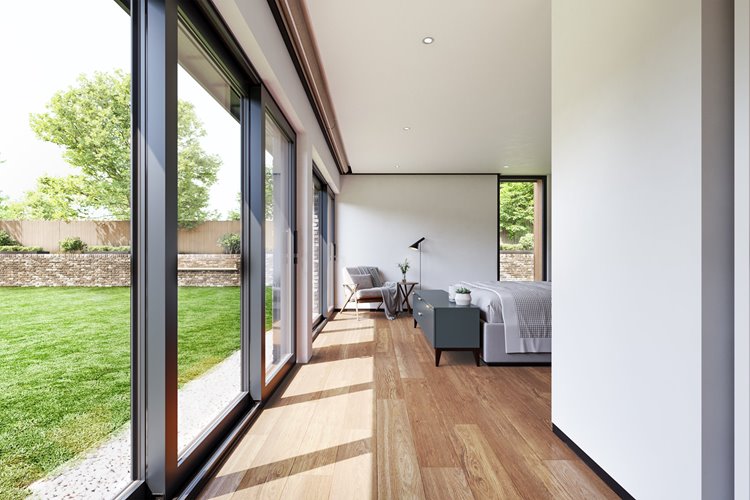
Aluminum Curtain Wall Manufacturer China Factory Price Glass Facade Low-E
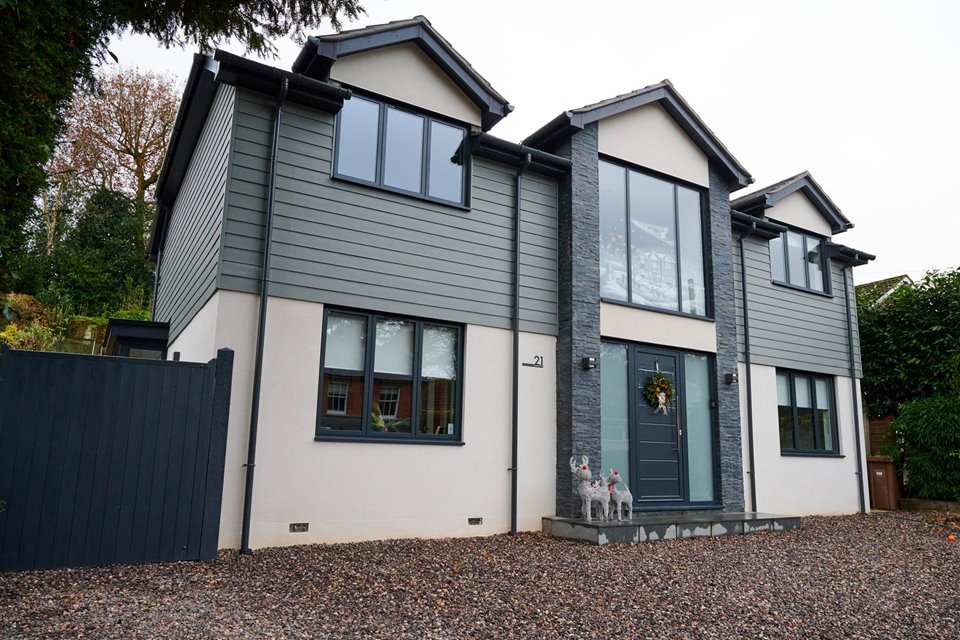
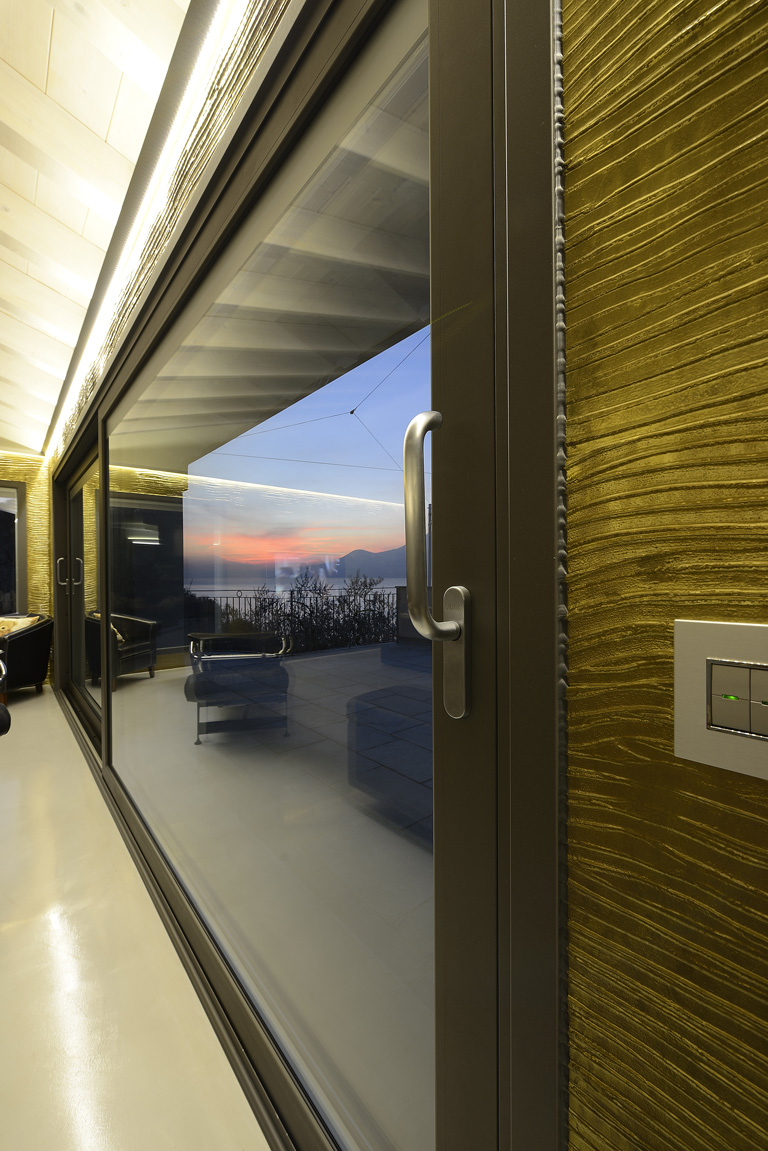
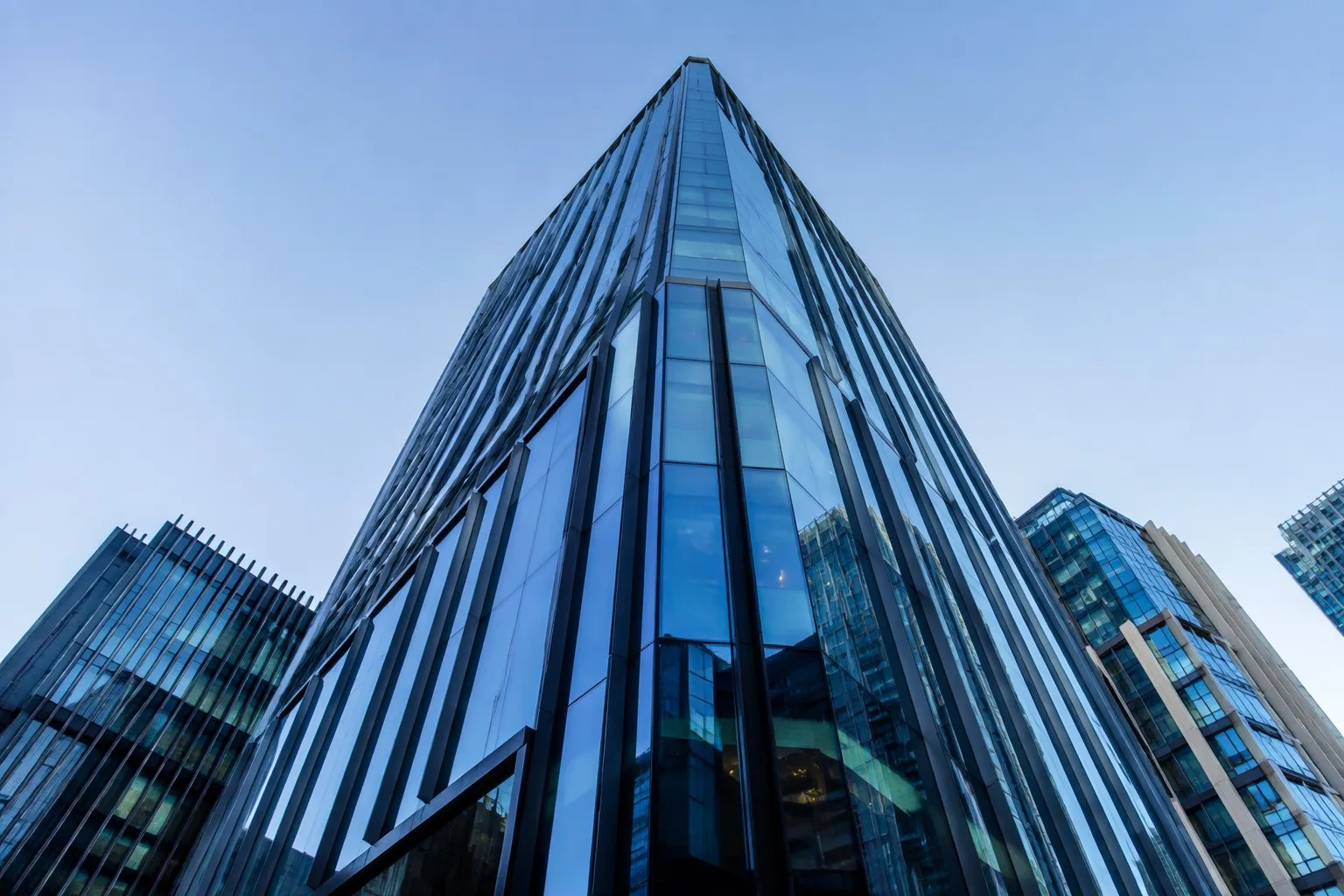
Aluminum Curtain Wall Manufacturer China Factory Price Glass Facade Low-E: Technical Engineering Guide
In the realm of modern architectural engineering, the building envelope represents the critical intersection between structural integrity, aesthetic vision, and environmental performance. As a leading Aluminum Curtain Wall Manufacturer China Factory, Richocean specializes in the design, fabrication, and installation of advanced Glass Facade systems. This technical guide explores the complexities of 6063-T6 aluminum profiles, unitized vs. stick systems, and the integration of Low-E glass technology to meet the rigorous demands of global B2B high-rise projects.
1. Material Science: 6063-T6 Aluminum Alloy Precision
The backbone of any high-performance Aluminum Curtain Wall is the alloy selection. Richocean utilizes 6063-T6 aluminum extrusions exclusively for our premium facade systems.
6063-T6 Properties
- Composition: A magnesium-silicon alloy (Al-Mg-Si) optimized for extrudability and surface finish.
- T6 Temper: Achieved through solution heat treatment and artificial aging to maximize yield strength (approx. 215 MPa) and hardness.
- Corrosion Resistance: Excellent resistance to atmospheric corrosion, essential for coastal skyscrapers.
- Thermal Conductivity: Controlled through advanced thermal break designs (Polyamide strips) to minimize heat transfer.
By leveraging the T6 temper, our factory ensures that every profile can withstand extreme wind loads without permanent deformation, providing the structural safety required for Tier-1 commercial developments.
2. Core Technical Systems: Unitized vs. Stick Systems
Choosing between a Unitized Curtain Wall and a Stick System Facade is a strategic decision involving budget, timeline, and building height.
Unitized Curtain Wall System (Prefabricated Excellence)
In the unitized approach, large glass and aluminum panels are fully assembled, glazed, and sealed in our China factory under controlled conditions.
- Advantages: Rapid site installation (up to 30% faster), superior quality control, and minimal site labor.
- Seismic Movement: Designed with interlocking ‘male’ and ‘female’ mullions that accommodate floor-to-floor displacement through specialized expansion joints.
- Best For: High-rise commercial towers (30+ stories) and tight urban construction sites.
Stick System Facade (Versatile On-Site Assembly)
Stick systems are installed piece-by-piece at the construction site. Vertical mullions are installed first, followed by horizontal transoms, and finally the glass infill.
- Advantages: Lower initial material cost, easier logistics for remote sites, and high flexibility for complex geometric shapes.
- Installation: Requires skilled on-site labor and favorable weather conditions for sealant application.
- Best For: Low-to-mid-rise buildings and projects with limited access for heavy cranes.
3. High-Performance Components and Hardware
A facade system is only as strong as its weakest link. Richocean integrates industrial-grade components to ensure a 50-year service life.
SS316 Stainless Steel Anchors
We utilize SS316 (Marine Grade) stainless steel for all embedded parts and brackets. Unlike standard galvanized steel, SS316 offers superior chloride resistance, preventing the structural oxidation that can lead to facade failure in humid environments.
EPDM Isobaric Gaskets
Our systems feature triple-seal EPDM (Ethylene Propylene Diene Monomer) gaskets. Using the ‘Pressure Equalization’ principle, these gaskets create a drainage chamber within the mullion, ensuring that even if water penetrates the outer seal, it is channeled safely back to the building exterior.
Seismic Movement Joints
To protect against earthquakes and building sway, our Aluminum Curtain Wall designs incorporate seismic movement joints. These joints allow for three-dimensional displacement (vertical, horizontal, and shear) without compromising the air or water seal of the Glass Facade.
4. Performance Standards & Technical Specification Table
Our products are tested according to international ASTM and AAMA standards. Below are the typical performance benchmarks for a Richocean Low-E glass facade system:
| Performance Parameter | Standard / Method | Result / Specification |
|---|---|---|
| Air Infiltration | ASTM E283 | Less than 0.06 cfm/sqft at 6.24 psf |
| Static Water Penetration | ASTM E331 | No leakage at 15 psf (720 Pa) |
| Dynamic Water Penetration | AAMA 501.1 | No leakage under dynamic wind pressure |
| Structural Wind Load | ASTM E330 | Designed for +/-5.0 kPa (Project Specific) |
| Thermal Transmittance (U-Value) | NFRC 100 | 1.2 – 2.5 W/sq.m.K (depending on Low-E) |
| Seismic Displacement | AAMA 501.4 | 1/100 of floor height (No damage) |
| Sound Insulation | ASTM E90 | 35dB – 45dB (STC Rating) |
5. Low-E Glass Facade Technology
The integration of Low-E (Low Emissivity) coatings is mandatory for modern energy-efficient buildings. By applying microscopic layers of silver to the glass surface, we can control the Solar Heat Gain Coefficient (SHGC).
- Single Silver Low-E: Standard energy efficiency for temperate climates.
- Double Silver Low-E: Enhanced thermal barrier, reducing infrared transmission while maintaining high visible light transparency.
- Triple Silver Low-E: The pinnacle of facade technology, offering the highest light-to-solar gain ratio, ideal for tropical and extreme heat zones.
Combined with Argon-filled Insulated Glass Units (IGU), our Glass Facade systems significantly reduce HVAC operational costs for building owners.
6. China Curtain Wall Market: Richocean Ranking #1
In the competitive landscape of the China Curtain Wall Factory sector, Richocean has secured the #1 Ranking for export-oriented engineering excellence. Our dominance is rooted in our ability to combine massive production capacity with bespoke architectural engineering.
- Factory Scale: Over 200,000 sqm of annual production capacity.
- R&D: A dedicated team of 50+ facade engineers specializing in 3D BIM modeling and structural analysis.
- Global Export: Direct shipping to major markets including the Middle East, Southeast Asia, and North America.
7. Real-World Engineering Case Studies
Case Study A: Metropolitan CBD Financial Center
- Project: 280-meter high-rise office tower.
- System: Unitized Aluminum Curtain Wall.
- Solution: Integrated double-silver Low-E IGU with vertical fins for solar shading. Completed 2 months ahead of schedule due to factory pre-glazing.
Case Study B: International Airport Terminal Expansion
- Project: Large-span airport concourse.
- System: Stick System Glass Facade with point-supported spider fittings.
- Solution: Custom-designed 6063-T6 transoms to support 12-meter high glass panes, ensuring maximum transparency for travelers.
8. Price Analysis: Unitized vs. Stick System Costs
When evaluating the Aluminum Curtain Wall Price, transparency is key. Prices are typically quoted per square meter (SQM) and fluctuate based on several factors:
- System Type: Unitized systems generally have a higher upfront cost (20-30% more than stick) due to factory labor and complex extrusion designs, but they save significantly on site labor and crane time.
- Low-E Grade: Moving from single to triple silver Low-E can add $15-$30 per SQM but offers a faster ROI through energy savings.
- Aluminum Weight: High wind load requirements in hurricane zones require thicker profiles, increasing the raw material cost.
- Customization: Curved glass or non-standard powder coating colors (RAL/PVDF) incur an ‘uniqueness’ premium.
At Richocean, we provide Factory Direct Price models that eliminate middlemen, offering 15-25% savings compared to local distributors in overseas markets.
9. Technical FAQ: Expert Insights
Q: How do your systems handle extreme wind pressure in high-rise applications?
A: We use finite element analysis (FEA) to simulate wind loads. Our 6063-T6 mullions are reinforced with internal steel sleeves where necessary to ensure structural safety at heights exceeding 300 meters.
Q: What is the efficiency of unitized installation compared to traditional methods?
A: On a typical high-rise, a unitized system allows for the installation of 15-20 panels per day per crane team, whereas a stick system would require weeks of scaffolding and on-site glazing for the same area.
Q: How do you guarantee the longevity of the Low-E coating?
A: All Low-E coatings are positioned on surface #2 of the Insulated Glass Unit (IGU), protected within the hermetically sealed, argon-filled space. This prevents oxidation and ensures the coating performs for the life of the building.
10. 360-Degree Service System and Leadership Philosophy
Richocean is more than an Aluminum Curtain Wall Manufacturer; we are a strategic partner. Our 360-degree service includes:
- Phase 1: Concept & Design: Assisting architects with thermal calculations and profile selection.
- Phase 2: Fabrication: Utilizing CNC precision machining in our China factory.
- Phase 3: Logistics: Expert packing in seaworthy steel A-frames to prevent glass breakage.
- Phase 4: Site Support: Sending senior engineers for on-site installation guidance and quality audits.
Founder’s Vision: “Our goal is to redefine the global skyline. By providing high-tech, Factory Price solutions, we empower developers to build sustainable, iconic structures that stand the test of time.”
For professional B2B inquiries regarding Aluminum Curtain Wall systems or Glass Facade engineering, contact Richocean—the leading China Curtain Wall Factory.
Specifications Summary:
- Material: Aluminum 6063-T6 / 6061-T6
- Glass: Low-E / Tempered / Laminated / IGU
- Hardware: SS316 / EPDM / Polyamide Thermal Break
- Standards: ASTM, AAMA, AS/NZS, BS EN
- Category: 27 (Building Envelopes / Curtain Walls)