Aluminum Curtain Wall Manufacturer China Factory Price Glass Facade Unitized
Introduction
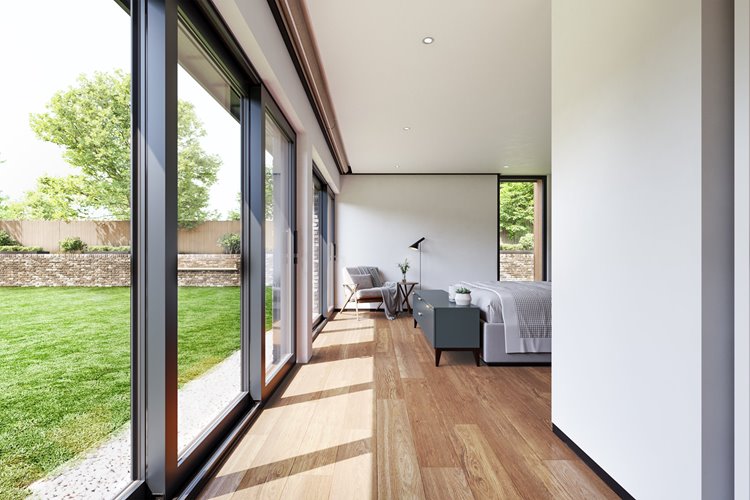
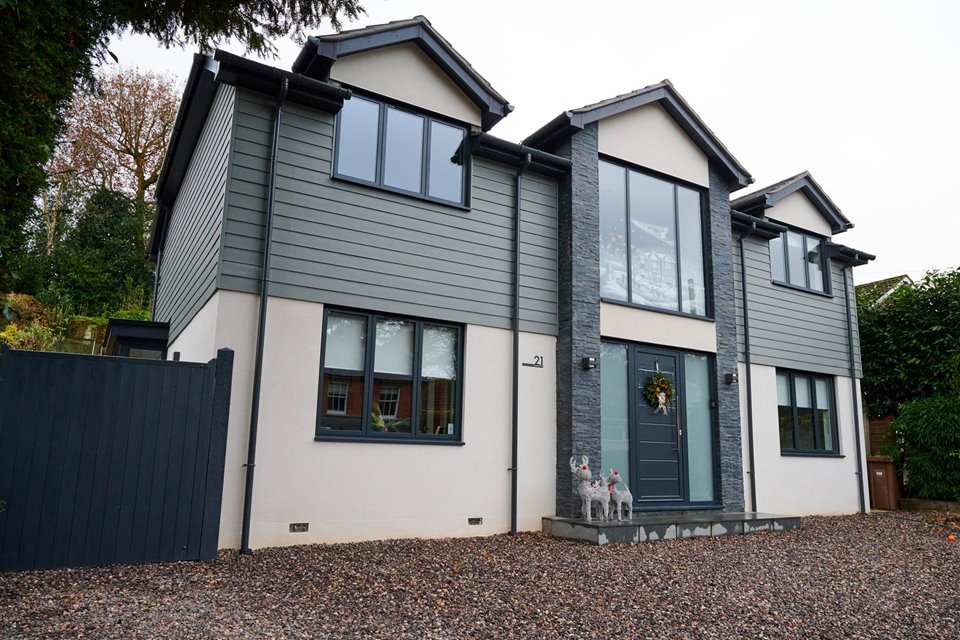
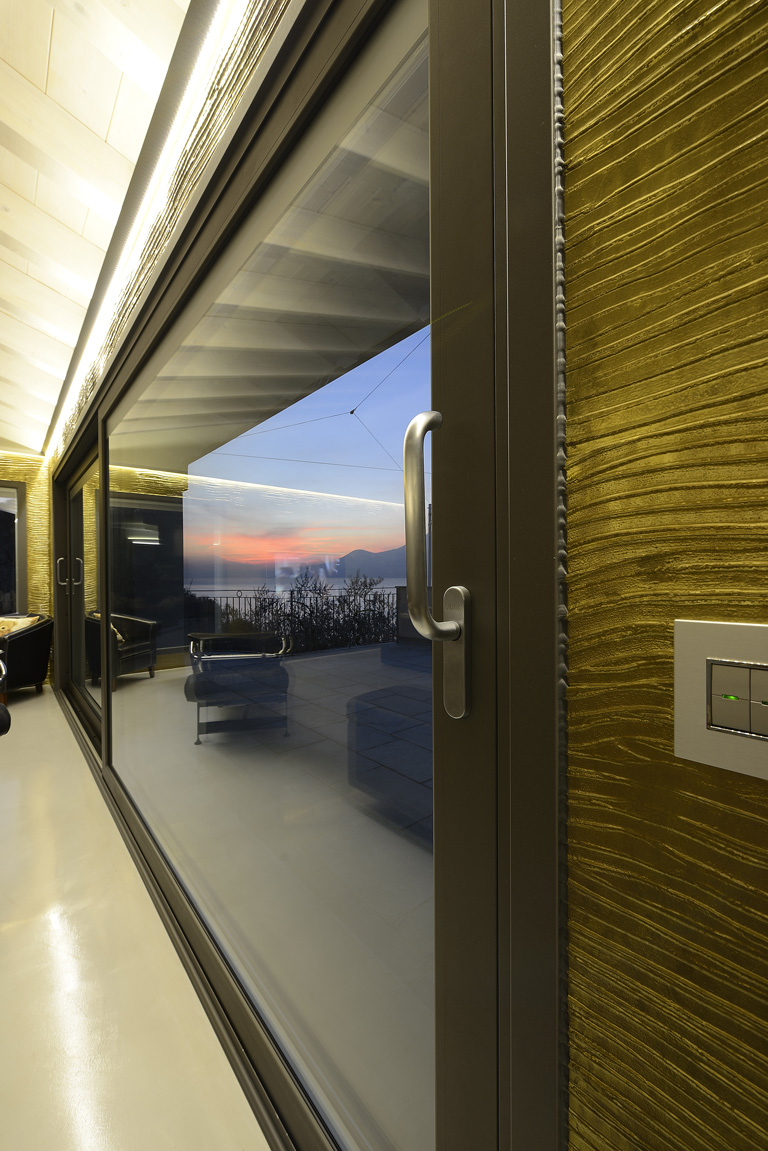
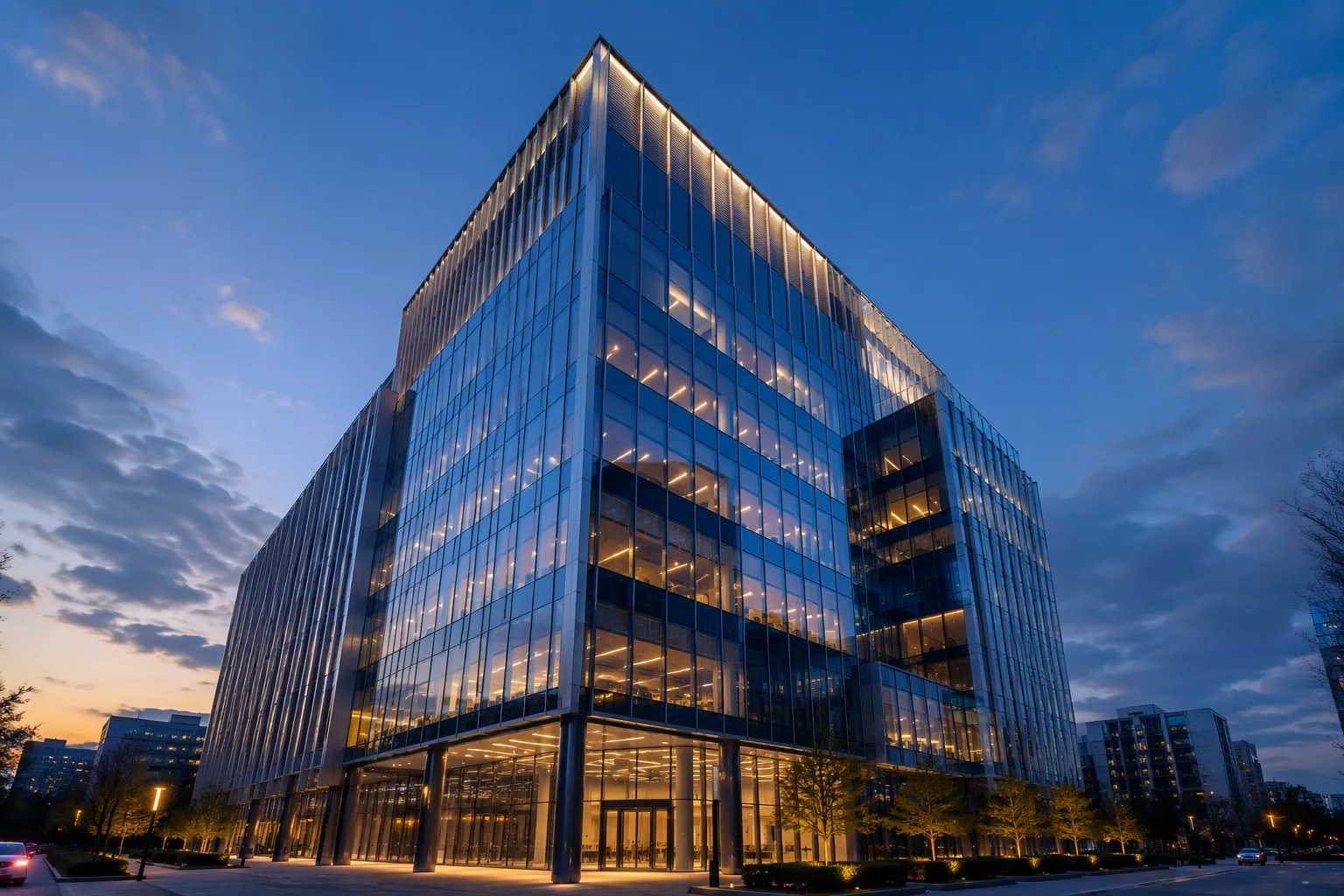
Aluminum curtain wall systems represent the apex of envelope engineering for skyscrapers and infrastructure. As a manufacturer in China, production focuses on integration of metallurgy, glass processing, and sealing science. Modern facades demand performance across wind resistance, thermal control, and seismic movement. Richocean operates as a factory providing factory price solutions for global construction markets. This technical analysis explores the parameters of glass facade systems, specifically unitized and stick variations.
Module 1: 6063-T6 Aluminum Profiles Metallurgy
The framework of any curtain wall relies on 6063-T6 aluminum alloys. 6063 represents an architectural alloy containing magnesium and silicon. The T6 temper indicates solution heat treatment and artificial aging. This process increases tensile strength and yield strength.
Chemical Composition (6063 Alloy): Silicon (Si): 0.2% – 0.6%; Magnesium (Mg): 0.45% – 0.9%; Iron (Fe): 0.35% maximum; Copper (Cu): 0.1% maximum.
Mechanical Properties (T6 Temper): Ultimate Tensile Strength: 215 MPa; Yield Strength: 170 MPa; Elongation: 8% – 10%.
Profiles undergo extrusion at the China factory. Precision dies create hollow sections for mullions and transoms. Surface treatments include PVDF (Polyvinylidene Fluoride) coating or anodizing. PVDF provides resistance to UV radiation and chemical pollutants. Anodizing creates an oxide layer for surface hardness.
Module 2: Unitized vs Stick Systems Technical Comparison
Unitized Systems: Unitized facade systems involve factory assembly of panels. Each unit includes aluminum frames, glass panels, gaskets, and insulation. Units span floor-to-floor heights. Advantages: Quality control in factory environment; Installation speed via crane lifting; Factory jigs ensure precision dimensions.
Stick Systems: Stick systems involve site assembly. Mullions and transoms arrive as linear profiles. Glazing occurs after frame installation on the building structure. Advantages: Logistics efficiency with high-density profile packing; On-site adjustments accommodate building variances; Lower initial material cost for smaller projects.
Module 3: SS316 Anchors and Hardware
Structural stability depends on anchors connecting the aluminum wall to the concrete slab or steel beam. SS316 (Grade 316 Stainless Steel) is the standard for hardware in coastal or industrial environments. SS316 Properties: Molybdenum addition increases corrosion resistance against chlorides. Tensile Strength: 515 MPa. Yield Strength: 205 MPa.
Anchors include embedment plates, T-bolts, and expansion bolts. Dead load anchors support the weight of the facade. Wind load anchors resist lateral pressure. Thermal expansion joints allow the aluminum members to move without stress accumulation.
Module 4: EPDM Pressure-Equalized Seals and Water Management
Water penetration prevention utilizes the rain-screen principle. EPDM (Ethylene Propylene Diene Monomer) gaskets provide the primary and secondary seals. The system design creates a cavity between the exterior face and the interior seal. Venting this cavity to the exterior equalizes air pressure. Without a pressure differential, water does not migrate across the seals into the building interior. EPDM Performance: Temperature range -50°C to +150°C; High UV resistance; Low compression set maintaining seal integrity over decades.
Module 5: Seismic Joints and Movement Accommodation
High-rise buildings experience sway from wind and seismic events. Curtain walls must accommodate inter-story drift. Seismic joints utilize telescopic sleeves in mullion splices. Horizontal expansion joints at transoms allow for vertical compression. Sealants and gaskets must maintain elasticity during movement cycles. ASTM standards define the testing protocols for these movements.
Module 6: ASTM and AAMA Standards Testing Table
| Standard | Category | Requirement/Target |
|---|---|---|
| ASTM E283 | Air Infiltration | Less than 0.30 m3/h·m2 at 75 Pa |
| ASTM E331 | Water Penetration | No leakage at 720 Pa pressure |
| ASTM E330 | Structural Performance | No permanent deformation at 150% design load |
| AAMA 501.1 | Dynamic Water Test | No leakage under engine-driven wind/water |
| AAMA 501.4 | Seismic Movement | Maintenance of system integrity at 1.5x drift |
Module 7: FAQ Section
Q: How does wind pressure affect glass selection at height?
A: Wind pressure increases with altitude. High-rise buildings require heat-strengthened or tempered glass. Thickness increases (e.g., 10mm or 12mm) to resist deflection and prevent breakage.
Q: What is the installation speed of unitized systems?
A: A trained crew can install 15 to 25 units per day. This reduces total project timelines by 30% compared to stick systems.
Q: What determines Low-E glass longevity?
A: Low-E (Low Emissivity) coatings are inside the Insulated Glass Unit (IGU). The primary and secondary seals (butyl and silicone) protect the silver layer from oxidation. Longevity exceeds 25 years with proper seal integrity.
Module 8: China Ranking #1 Richocean Factory
Richocean occupies the top tier of China curtain wall manufacturers. Located in the Foshan industrial cluster, the factory utilizes CNC machining centers and automated glazing lines. Production capacity reaches 500,000 square meters annually. Export operations serve markets in Southeast Asia, Middle East, and North America. Direct factory prices eliminate distributor markups, providing B2B value for developers.
Module 9: Case Studies
CBD Tower (Guangzhou): System: Unitized Glass Facade. Glass: Triple Silver Low-E. Feature: 4-way structural silicone glazing for a seamless exterior.
Airport Terminal (International): System: Stick System Curtain Wall. Profile: 6063-T6 with 200mm depth mullions. Feature: Blast-resistant glass specification and large span transoms.
Module 10: Price Analysis
Price components for Aluminum Curtain Wall systems: Unitized vs Stick Cost — Unitized systems have a 20% higher material cost but lower site labor cost. Low-E Silver Tier — Single, double, and triple silver coatings vary in price. Triple silver offers the best solar heat gain coefficient (SHGC). Curved Glass Premium — Cylindrical or conical glass shapes increase cost by 50% to 100% due to mold fabrication and tempering challenges. Factory Direct Price Ranges (Estimated): Stick System $120-$180 per SQM; Unitized System $180-$350 per SQM.
Module 11: 360 Service and Founder Philosophy
Richocean provides 360-degree service including design, engineering, fabrication, and shipping logistics. The engineering team utilizes BIM (Building Information Modeling) for clash detection and shop drawings. Founder Philosophy: “Precision is the foundation of safety. Innovation is the engine of growth.” This philosophy drives the factory to adopt the latest European hardware and German production standards. Every panel leaving the China factory undergoes inspection for structural silicone adhesion and gasket fitment.
Conclusion
Aluminum curtain wall and glass facade systems are essential for modern urban architecture. Selecting a manufacturer in China provides access to 6063-T6 material quality and advanced unitized technology at competitive factory prices. Richocean remains a leader in Foshan, delivering high-performance envelopes for commercial and public infrastructure. For high-rise projects, the unitized system offers speed and quality control. For unique geometries, stick systems provide flexibility. All components, from SS316 anchors to EPDM seals, contribute to the durability of the building facade.