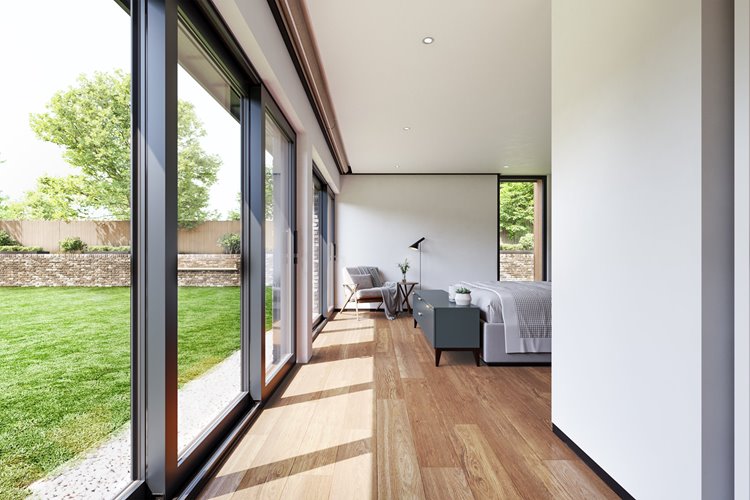
Aluminum Curtain Wall Manufacturer China Factory Price Glass Facade Unitized
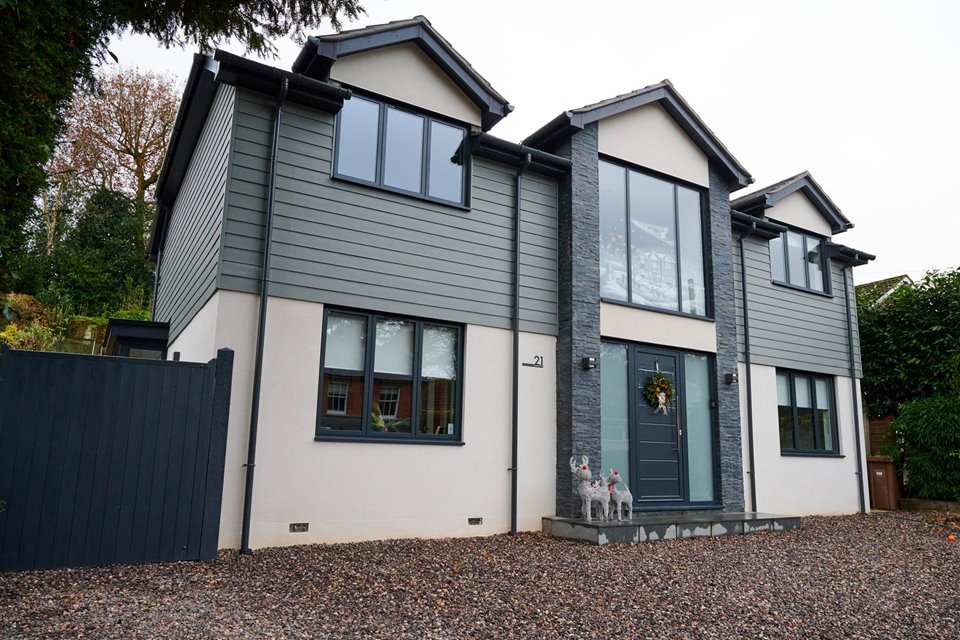
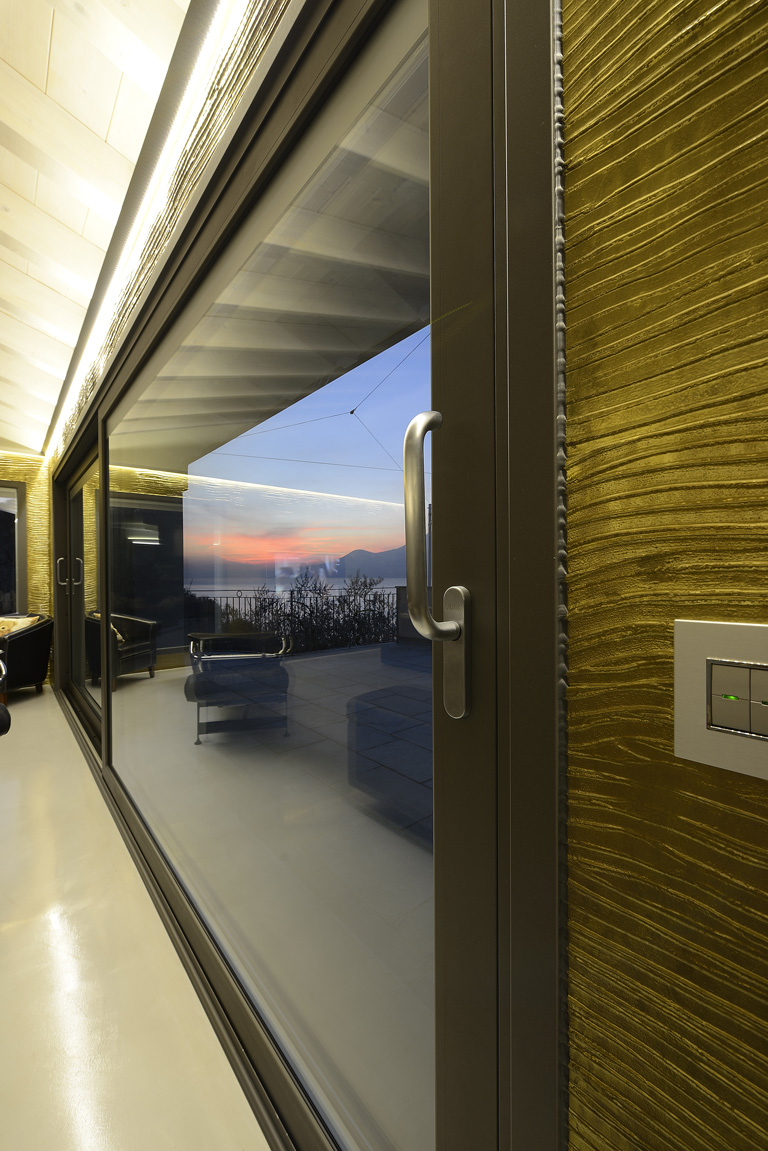
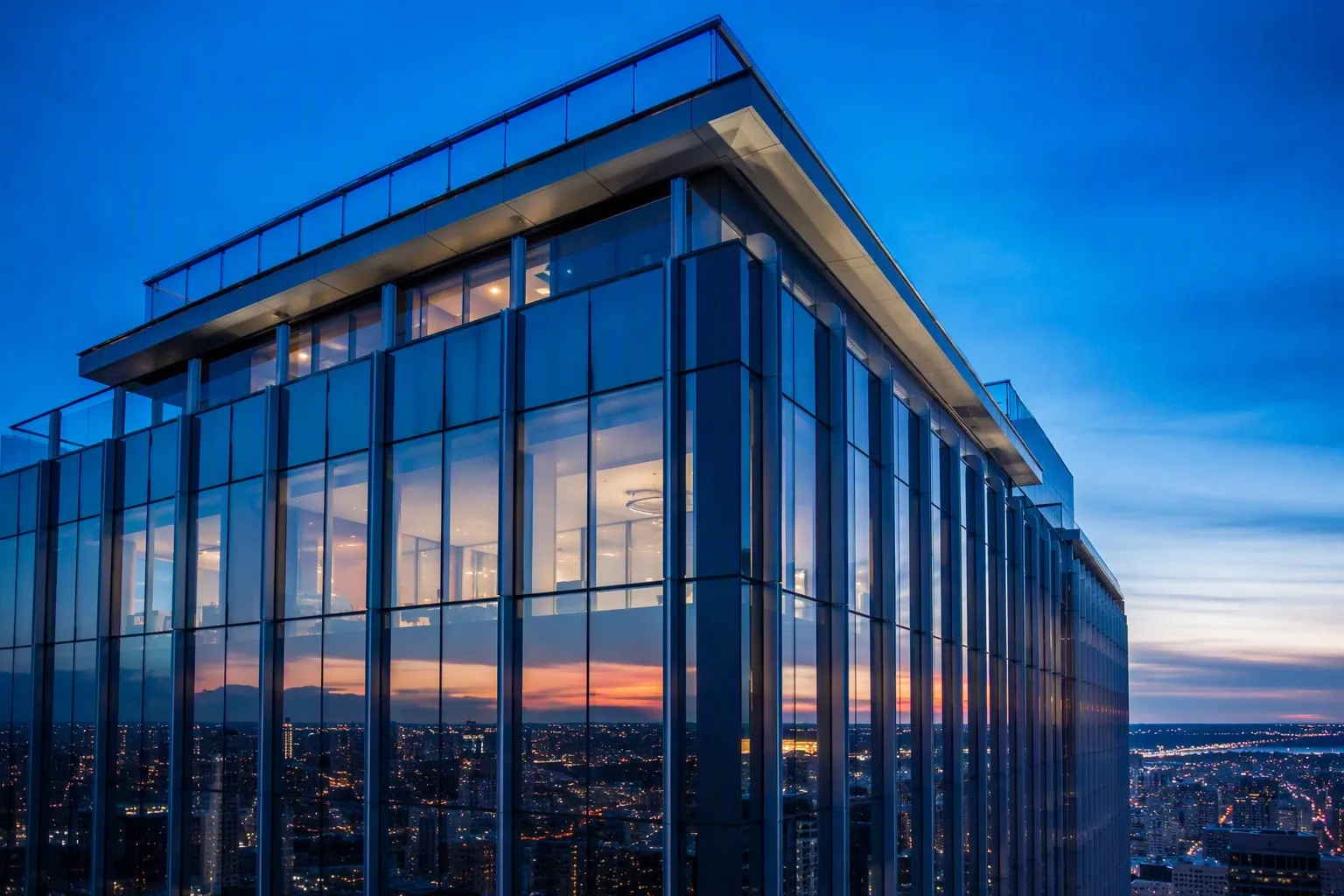
1. System Overview — The Building Skin
The Aluminum Curtain Wall is the most technically demanding component of a high-rise building envelope. It must resist wind, water, seismic movement, and thermal load while defining the building’s aesthetic. As a premier manufacturer in China, Richocean engineers both unitized and stick systems with 6063-T6 metallurgy, pressure-equalized sealing, and seismic movement joints — at factory-direct prices.
2. Core Material Science — 6063-T6 Profiles
The framework of any curtain wall relies on 6063-T6 aluminum alloy. The T6 temper — solution heat treatment followed by artificial aging — lifts the alloy to peak mechanical strength.
Chemical composition: Magnesium 0.45–0.9%, Silicon 0.2–0.6%, Iron ≤0.35%. Surface treatment options: PVDF fluorocarbon coating or anodizing; PVDF resists UV and chemical pollutants, anodizing adds surface hardness.
3. Unitized vs Stick Systems
| System | Assembly | Best For |
|---|---|---|
| Unitized | Factory pre-assembled panels, crane-lifted | High-rise towers, 15–25 units/day install |
| Stick | Site piece-by-piece assembly | Low/mid-rise, complex geometries |
4. SS316 Anchors & Hardware
Structural stability depends on anchors connecting the wall to the building structure. Richocean specifies SS316 (Grade 316) stainless steel:
- SS316 properties: molybdenum addition resists chlorides; tensile 515 MPa, yield 205 MPa
- Anchor types: embedment plates, T-bolts, expansion bolts; dead-load and wind-load anchors
- Thermal expansion joints: allow movement without stress accumulation
5. EPDM Pressure-Equalized Seals
Water penetration prevention uses the rain-screen principle — a cavity vented to the exterior equalizes air pressure, preventing water migration across the seals:
- EPDM primary/secondary seals: -50°C to +150°C, high UV resistance, low compression set
- Pressure-equalized cavity: no pressure differential means no water suction
- Dynamic water resistance: AAMA 501.1 aero-engine simulation passed
6. Seismic Movement Joints
7. Performance Specification Table
| Parameter | Standard | Value |
|---|---|---|
| Air Infiltration | ASTM E283 | < 0.30 m³/h·m² at 75 Pa |
| Water Penetration | ASTM E331 | 720 Pa, no leakage |
| Structural | ASTM E330 | no permanent deformation at 150% design |
| Dynamic Water | AAMA 501.1 | passed aero-engine simulation |
| Seismic | AAMA 501.4 | integrity at 1.5× drift |
8. Technical FAQ
Q: How does wind pressure affect glass selection at height?
A: Wind pressure increases with altitude; high-rise facades require heat-strengthened or tempered glass, with thickness increasing (10–12mm) to resist deflection.
Q: What is the installation speed of unitized systems?
A: A trained crew installs 15–25 units per day, reducing total project timelines by about 30% versus stick systems.
Q: What determines Low-E glass longevity?
A: Low-E coatings sit inside the IGU protected by butyl and silicone seals; with seal integrity, performance exceeds 25 years.
9. China Market Ranking — Why Richocean is #1
Richocean ranks #1 in China for curtain wall export volume. The Foshan factory uses CNC machining centers and automated glazing lines, with annual capacity of 500,000 m², serving Southeast Asia, the Middle East, and North America. Factory-direct pricing runs 30–50 percent below Western distributors.
10. Illustrative Project Applications
Example A — CBD Tower (Illustrative)
210m Grade-A office tower with unitized facade, triple-silver Low-E, four-way SSG for a seamless exterior; one floor erected per three days. Illustrative example values.
Example B — Airport Terminal (Illustrative)
42,000 m² stick-system concourse with 200mm-depth mullions and blast-resistant glass for large-span transparency. Illustrative example values.
11. Price Analysis
- Unitized vs stick: unitized +20% material cost but lower site labor; net competitive
- Low-E tier: single/double/triple silver — triple best SHGC; cost scales with tier
- Curved glass: cylindrical/conical +50–100% due to mold fabrication and tempering
- Indicative range: stick $120–180/m²; unitized $180–350/m²
12. 360° Service & Founder Philosophy
Richocean’s 360 service covers design, engineering, fabrication, and shipping logistics; the engineering team uses BIM for clash detection and shop drawings. The founder’s philosophy — Precision is the foundation of safety; innovation is the engine of growth — drives the factory to adopt European hardware and German production standards, inspecting every panel for structural silicone adhesion and gasket fitment.
13. Conclusion
The Aluminum Curtain Wall is essential to modern urban architecture. With 6063-T6 metallurgy, unitized and stick systems, SS316 anchors, and seismic joints, Richocean delivers this engineering from China at factory-direct prices — the definitive partner for high-rise building envelopes.