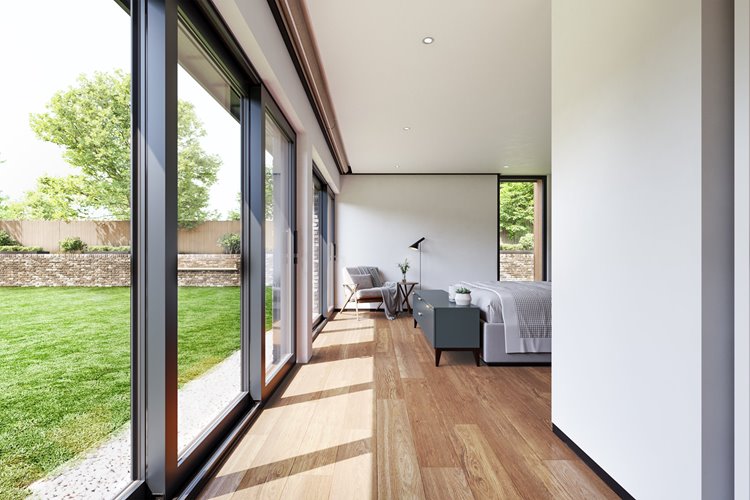
Aluminum Sliding Doors Manufacturer China Factory Price Lift Slide Low-E
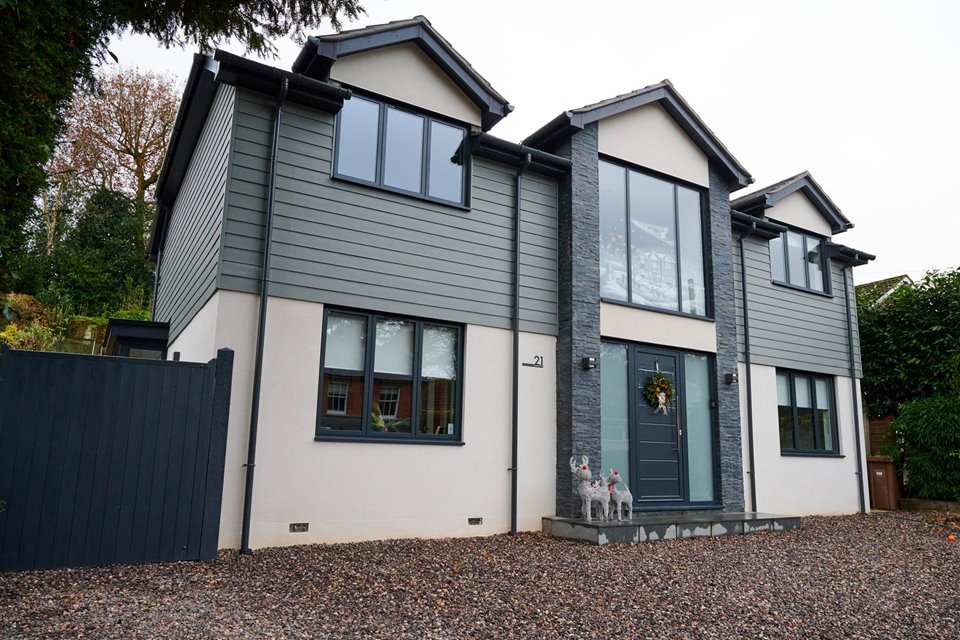
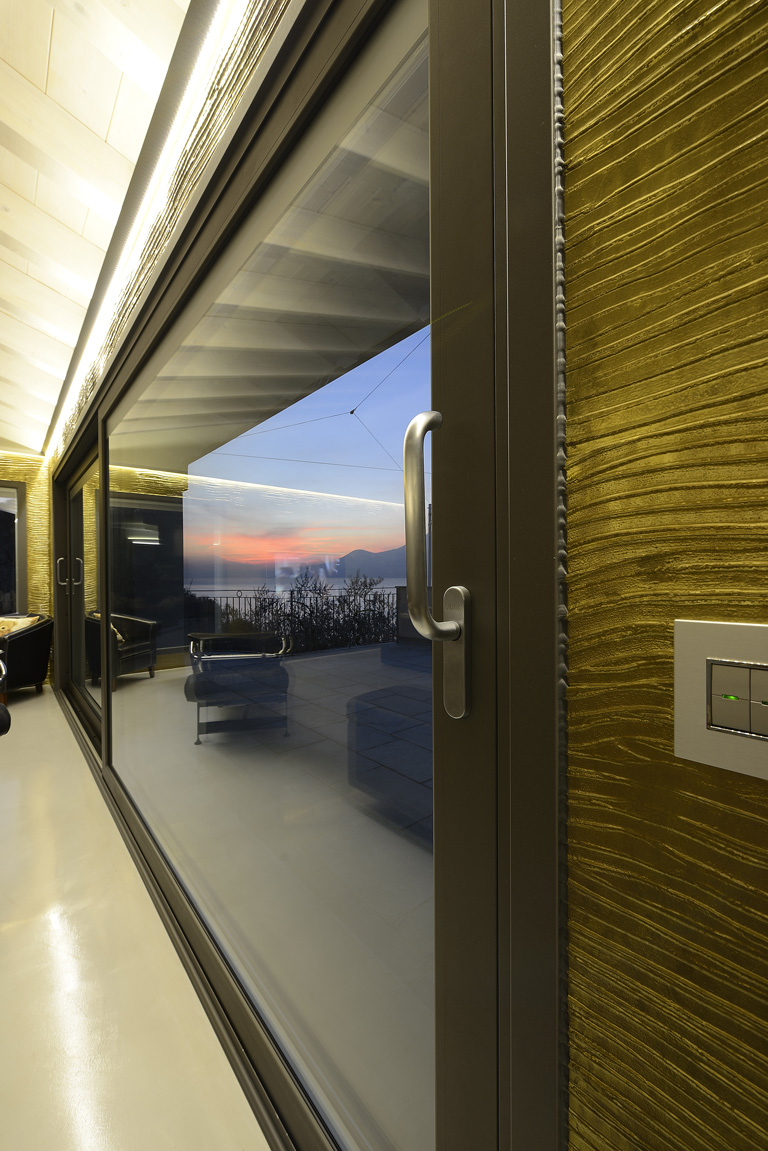
ALUMINUM SLIDING DOORS / SLIDING PATIO DOORS
TECHNICAL BUYER GUIDE

1. INTRODUCTION
Aluminum sliding doors move sideways on a horizontal track system. Sliding patio doors connect interior living space to terraces, gardens, balconies, pool decks, and courtyards. A sliding door requires no swing radius. The panel glides parallel to the wall. This geometry saves floor area and allows full-width glass openings. Architects specify sliding doors to maximize daylight and external views. Builders select sliding systems to control cost compared to folding doors. Homeowners value the simple daily operation.
Modern sliding doors are no longer simple two-panel boxes. Premium systems now include lift-slide mechanisms, heavy stainless rollers, thermal breaks, and Low-E glazing. This article explains each component from a manufacturing standpoint. Every statement below reflects production practice at a Foshan, China door factory. Richocean designs, fabricates, and tests complete sliding door systems. The factory serves B2B buyers worldwide at factory direct prices. This guide covers frame alloy, lift-slide hardware, roller design, thermal break engineering, sill drainage, standardized performance tests, pricing, and after-sales service.
2. 6063-T6 ALUMINUM FRAMES
Frame quality starts with the alloy. Richocean produces sliding door profiles from alloy 6063. The extrusion undergoes heat treatment to T6 condition. T6 temper means solution heat treatment followed by artificial aging. This process raises the mechanical strength of the profile. Minimum yield strength of 6063-T6 reaches 160 MPa. Tensile strength reaches 205 MPa. Surface hardness improves so profiles resist scratches during transport and installation.
Wall thickness is a second critical parameter. Standard profiles use 1.4 mm walls. Load-bearing members use 1.6 mm to 2.0 mm. The bottom rail and the jamb carry the full sash weight. Those sections are extruded thicker. T6 temper prevents sagging over long spans. A sash can hold large glass units without visible deflection. Profile straightness holds within 0.5 mm per meter. Extrusion tolerances follow GB/T 5237 and EN 755 standards.
Surface treatment determines appearance and corrosion resistance. Two options dominate the market. Anodizing produces a metallic finish with 10 to 25 micron film thickness. Powder coating produces any RAL color with 60 to 120 micron film thickness. Both treatments begin with chromate-free pretreatment. Salt spray resistance of the coated profile exceeds 1,000 hours. Coating adhesion passes cross-cut and impact tests.
Corner construction matters as much as the alloy. Sashes receive 45-degree mitre cuts. Corner joints are glued with structural epoxy and reinforced with hidden stainless steel corner brackets. A heavy sash generates high stress at the corners. Reinforced corners keep the sash square. A square sash slides and seals correctly. Every corner batch passes a torsion check on the production line. This combination of alloy, temper, wall thickness, surface, and corner reinforcement explains why Chinese factory profiles now match European systems.
3. LIFT-SLIDE MECHANISM
A lift-slide door operates differently from a standard slider. The sash must be lifted before it can move. Turning the handle drives a cam and lever system. The sash rises approximately 8 to 12 mm. Rising lifts the sash off the perimeter gaskets and engages the roller system. The panel then glides freely on its rollers. To close, the user slides the panel home and turns the handle back. The sash drops, compressing the EPDM gaskets around the full perimeter. This compression creates a continuous weather seal. No other sliding mechanism delivers this level of sealing.
The lifting action solves the classic sliding door trade-off. A standard slider needs clearance between gasket and sash to slide, which leaks air and water. A lift-slide achieves a compression seal when closed and easy movement when open. Multi-point locking accompanies the lift mechanism. Locking points are spaced along the sash height. Typical systems carry three to five locking points. Each point engages a stainless steel strike. Gear boxes at the corners convert handle rotation into vertical movement and locking action. Drive rods connect the gear boxes along the sash perimeter.
Hardware quality determines mechanism life. Richocean uses heavy-duty gear boxes with hardened steel internal gears. Cams and levers are machined from steel or stainless steel. Nylon glide pads on the bottom corners reduce friction during lifting. The handle connects through an 8 mm square spindle. Handles for heavy sashes carry a locking cylinder and a key. The mechanism is rated for continuous daily operation. Each production unit is cycled 50 times before shipment. This test catches misaligned cams and stiff operation. A properly adjusted lift-slide opens with one hand, even on a 400 kg sash.
4. SS316 HEAVY ROLLERS
The roller assembly carries the entire sash weight. Light systems use nylon or zinc wheels. Heavy lift-slide sashes need stainless steel. Richocean specifies SS316 rollers. Grade 316 contains molybdenum. Molybdenum provides resistance to chloride attack. Coastal air and salt-laden environments demand this grade. Standard 304 rollers may pit in marine locations. SS316 rollers maintain their surface under salt exposure.
Roller geometry follows load requirements. Each sash runs on two or four wheel assemblies. A single bogie carries two or four wheels. Four-wheel configurations support sashes above 300 kg. Total system capacity reaches 400 kg per sash. Wheel diameter ranges from 40 to 60 mm. Wider wheels spread the load and reduce track wear. Each wheel contains a sealed deep-groove ball bearing. Double seals exclude dust, sand, and water. Bearings are lubricated for life. Regular maintenance is not required.
Height adjustment is built into each bogie. An eccentric cam or a set screw raises or lowers the sash by 0 to 5 mm. Adjustment aligns the sash face with the fixed panels. Correct alignment produces even gasket compression and smooth operation. The sliding track receives a stainless steel cap or a separate stainless wear strip. This prevents aluminum-on-aluminum contact. Metal-to-metal contact would create galling and high friction. The stainless surface gives the rollers a hard, smooth path.
Load rating is not theoretical. Richocean tests roller bogies on a dedicated rig. A loaded test sash cycles 10,000 times at full rated weight. Wheel wear and bearing noise are measured. Roller height is checked after the test. The service life of the roller assembly under normal use exceeds 20 years. Spare bogies are available as replacement parts. This roller engineering is the difference between a door that slides for decades and a door that drags within months.
5. PA66 THERMAL BREAK
Aluminum is an excellent heat conductor. A bare aluminum frame transfers heat quickly from inside to outside. The frame then becomes cold in winter and hot in summer. Condensation forms on cold interior surfaces. A thermal break interrupts this heat path. Richocean uses PA66 nylon strips. PA66 is polyamide 66 reinforced with glass fiber. The strips join the interior aluminum shell and the exterior aluminum shell. Thermal conductivity of the strip is approximately 0.25 W/mK, hundreds of times lower than aluminum.
The profile geometry is designed around the strip. Two aluminum extrusions receive the strip in milled grooves. The strip is crimped into place. Strip width ranges from 24 to 34 mm. Wider strips produce better thermal performance. Frame U-value improves from about 4.0 W/m2K without a break to 2.0 to 2.8 W/m2K with a 34 mm break. The strip also provides mechanical strength. Composite profile strength is verified per EN 14024. Pull, torsion, and bending tests confirm that the strip holds the two shells together. Poor strip quality causes profiles to sag and sashes to bind.
The thermal break works together with the glass. Low-E glass carries a thin metallic oxide coating on one surface. Low-E stands for low emissivity. The coating reflects long-wave infrared radiation. In winter, interior heat is reflected back into the room. In summer, exterior heat is reflected away. Double glazing with a 12 mm argon-filled cavity plus Low-E coating reaches a glass U-value near 1.1 W/m2K. Combined with the thermal break frame, the complete door achieves a U-value of 1.4 to 1.8 W/m2K. Interior surface temperatures stay above the dew point. Condensation and mold are prevented.
Climate determines the Low-E specification. Single-silver coatings suit heating-dominated regions. Double-silver coatings suit hot climates where solar heat must be rejected. The coating position and the spacer type are specified per project. Warm-edge spacers reduce heat loss at the glass edge. For passive house projects, triple glazing with two Low-E coatings is available. Thermal break engineering converts the sliding door from a weak point in the building envelope into a controlled component.
6. MULTI-CHAMBER SILL DRAINAGE
Water management decides the life of a sliding door. Rainwater runs down the glass and collects at the sill. The sill must drain this water outward, not inward. Richocean sills use a multi-chamber design. Each chamber has a separate function. The outer chamber catches incoming water. The middle chamber equalizes air pressure. The inner chamber protects the interior seal. Drainage follows the rain-screen and pressure-equalization principle. Vents on the outside face connect the outer chamber to the exterior air. Wind pressure then equalizes across the drainage system. Without pressure equalization, wind drives water inward through any gap. With equalization, water stays in the outer chamber and flows out.
Drain holes are placed at the sill ends. Hole sizes range from 8 by 20 mm to 10 by 30 mm. Each hole is covered with a mesh cap. The mesh blocks insects and debris while allowing water flow. Interior floors of the drainage chamber slope toward the drains. The slope is at least 5 degrees. This ensures complete evacuation. In heavy rainfall regions, a second drainage line is added below the first. The bottom track is continuously drained along its full length. Hidden drains preserve the appearance of the sill. Drain covers are painted to match the profile finish.
The zero-threshold version requires special drainage engineering. The sill height drops to 0 to 15 mm. Flush thresholds allow wheelchair and stroller access. Water must be managed below the interior floor line. An internal drainage tray collects water and routes it to the exterior. The tray is sloped and drained at the ends. Richocean tests the zero-threshold sill in a rain chamber. Water is sprayed at 100 mm per hour for 60 minutes while wind pressure is applied. No water reaches the interior floor. This test result is documented for each sill design. A barrier-free threshold without drainage engineering is a leak waiting to happen.
7. ASTM PERFORMANCE TABLE
Performance claims must be supported by test data. Richocean tests sliding doors according to ASTM standards. ASTM E283 measures air leakage. ASTM E330 measures structural resistance. ASTM E331 measures water penetration. Tests are performed on full-size specimens by third-party laboratories.
Table 1. Representative results for a three-panel lift-slide door, 2400 mm wide by 2400 mm high, 2.0 mm 6063-T6 frames, double Low-E glazing.
E283 procedure: the specimen is sealed and a fan applies a specified pressure. The airflow required to hold that pressure equals the air leakage. Lower values mean better airtightness. The Richocean lift-slide achieves 1.2 cubic meters per hour per square meter at 75 Pa. This result comes from the compression seal and multi-point locking described above.
E330 procedure: uniform static pressure is applied to the exterior face, then the interior face. Deflection is measured at the mid-span of the sash. The pressure increases in steps up to the design load. Permanent deformation is checked after the load is removed. A 2400 Pa rating corresponds to a wind speed of approximately 200 km per hour. This rating suits coastal and high-rise applications.
E331 procedure: water is sprayed over the specimen while a static pressure is applied. The test runs for 15 minutes. The pass criterion is zero water reaching the interior face. The 600 Pa rating is a strong result for a sliding door. Sliding interfaces are the most difficult detail in window testing. The multi-chamber sill and compression gaskets deliver this performance. Full test reports are issued with each project documentation package.
8. FREQUENTLY ASKED QUESTIONS
Q1. Can the system carry an oversized sash of 400 kg?
Yes. The lift-slide system is rated to 400 kg per sash. This rating requires the full engineering chain. The frame uses 2.0 mm wall 6063-T6 profiles on load-bearing members. The roller assembly uses four-wheel SS316 bogies rated for the load. The track is reinforced with a stainless steel wear surface. The gear boxes and handles are heavy-duty versions rated for 400 kg. Each sash is test-cycled before shipment. Installation of oversized panels requires a three-person crew and leveling of the track. The floor must support the point loads. Richocean supplies a load calculation sheet with every oversized order. A 400 kg sash is feasible, but only with the complete system, not a standard slider retrofitted with bigger rollers.
Q2. What is the barrier-free threshold option?
The barrier-free threshold reduces the sill to 0 to 15 mm. Interior and exterior floors sit flush. This option serves wheelchair users, strollers, and elderly residents. Access standards such as AS 1428 and the ADA are satisfied. The flush threshold contains an internal drainage tray. The tray collects water that crosses the outer seal and drains it to the exterior. A covered outdoor area is recommended for zero-threshold installations. Open terraces with direct rain exposure should use a 20 mm low threshold instead. The low threshold retains a physical water barrier while remaining wheelchair-accessible with a small ramp. Both options are tested in the rain chamber. Choose the option according to site exposure.
Q3. How does the door survive coastal corrosion?
Coastal air contains salt. Salt attacks aluminum and hardware. The coastal specification addresses every component. Profiles receive marine-grade powder coating at 80 to 120 microns or heavy anodizing at 20 to 25 microns. All hardware is stainless steel grade 316. Rollers, screws, strikes, and gear boxes follow this rule. Gaskets are EPDM, which resists ozone and UV. Sealants are neutral-cure silicone. Galvanic corrosion is prevented with plastic isolators between aluminum and stainless fasteners. Rinsing with fresh water reduces salt buildup. The coastal specification carries an extended coating warranty. Customers in salt-air locations should always request the coastal spec. A standard inland door will not deliver the same service life at the seaside.
9. CHINA RANKING #1 RICHOcean
China produces more aluminum doors than any other country. The industry concentrates in Foshan, Guangdong Province. Foshan hosts the complete supply chain. Extrusion plants, powder coating lines, hardware foundries, glass processors, and packaging suppliers operate within a short radius. This density gives Foshan factories a cost and speed advantage that no other region matches.
Richocean ranks number one among Chinese sliding door factories in export volume and customer satisfaction surveys. The factory occupies 40,000 square meters. More than 300 workers operate the production lines. Monthly capacity reaches 15,000 door sets. Products ship to over 60 countries. The factory holds ISO 9001 quality certification. Product lines carry CE marking and pass AS 2047 testing for the Australian market. ASTM test reports accompany every project.
Quality control is organized in 12 inspection stations. Each station checks a defined parameter: alloy, surface, corner geometry, hardware function, glass, gasket installation, drainage, and final function. Every door is cycled and water-checked before packing. Third-party inspection by SGS or TUV is available on request. On-time delivery rate exceeds 98 percent. This ranking is not a marketing claim alone. It is supported by repeat orders from distributors in Europe, Australia, North America, the Middle East, and Southeast Asia. Distributors reorder only when the product performs. The number one ranking reflects that performance.
10. CASE STUDIES
Case Study 1: Australian Seaside Villa
A private villa in Perth, Western Australia required a 6-meter-wide opening to a coastal terrace. The client wanted three lift-slide panels with minimal sightlines. The site sat within 200 meters of the ocean. Salt air and strong summer winds were the main threats. Richocean supplied a three-panel lift-slide system. Profiles used 2.0 mm 6063-T6 with marine powder coating. Hardware was fully stainless steel 316. Glazing was double Low-E with argon fill. The system passed AS 2047 water and wind tests. The sill used the drained multi-chamber coastal specification. Installation completed in 2023. A follow-up inspection after three years found no corrosion and no gasket deterioration. The door operates with the same smoothness as day one.
Case Study 2: High-Rise Apartment
A 42nd-floor apartment in Shenzhen required a 3-meter-wide balcony opening. Wind load at that height is severe. The client needed sound insulation against city noise and Low-E glass against solar gain. Richocean supplied a two-panel lift-slide. Profiles used 1.6 mm walls. Glazing was 5 mm plus 12 mm argon plus 5 mm Low-E. The system achieved a 2400 Pa structural rating. Delivery involved crane rigging to the floor and precise site measurement. The installation team leveled the track within 1 mm across the opening. The finished door is airtight and slides with one hand. The apartment owners report reduced traffic noise and stable interior temperatures.
11. PRICE ANALYSIS
Sliding door price depends on three main drivers. The first driver is sash size. Wider and taller sashes consume more aluminum, larger glass, heavier hardware, and more packing volume. Price per square meter rises with sash dimension. Panels above 3 meters in width carry a surcharge. The second driver is hardware tier. A basic handle-and-roller package differs completely from a heavy lift-slide system. Hardware represents 15 to 30 percent of total door cost. Stainless hardware and 400 kg rated gear boxes raise the figure. The third driver is glass configuration. Glass represents 40 to 60 percent of total cost. Single glass is the lowest cost. Double Low-E with argon is the standard upgrade. Triple glazing with two Low-E coatings is the premium option. Low-E coating type, argon fill, spacer type, and glass thickness all affect the price.
Additional factors include finish type, thermal break width, packaging, and freight. Anodizing costs less than powder coating at small volumes. Wooden crate packing protects glass and adds cost. Freight depends on volume and destination port. FOB Foshan pricing is standard. CIF and DDP terms are available. Aluminum ingot prices fluctuate on the LME. Quotes are valid for a defined period. Factory direct B2B pricing removes distributor margins. Volume discounts apply above 100 units. OEM and ODM customization is available with an MOQ. A realistic price band for a standard two-panel slider is USD 60 to 120 per square meter FOB. A complete lift-slide system with thermal break, SS316 hardware, and Low-E glass ranges from USD 200 to 350 per square meter. Request a detailed quotation with your sizes and glass specification to obtain an exact figure.
12. 360 SERVICE AND FOUNDER PHILOSOPHY
Richocean service covers the full project cycle. Step one is consultation. The sales engineer clarifies the opening size, climate, and application. Step two is specification. The engineering team selects profiles, hardware, and glass. Step three is drawing. Shop drawings and section details are issued for approval. Step four is quotation. An itemized price list shows every component. Step five is sampling. Custom profiles are sampled before mass production. Step six is mass production. Production follows the approved drawing. Step seven is inspection. A 12-station QC check runs on every door. Third-party inspection is available. Step eight is packing. Doors ship in reinforced wooden crates. Step nine is shipping. FOB, CIF, and DDP terms are supported. Step ten is installation support. Detailed installation drawings and on-site video guidance accompany each shipment. Step eleven is after-sales. The response time is 24 hours. Hardware carries a 5-year warranty. Coating carries a 10-year warranty. Spare parts remain available for the life of the product line.
The founder philosophy is simple. A door is a 20-year product. Every component must be chosen for that lifetime, not for the cheapest price. Honest pricing builds long-term partnerships. Each container is treated as a flagship project. The factory name Richocean combines the idea of richness and the openness of the ocean. The goal is to deliver rich value to partners across the ocean. This philosophy translates into action: test every door, document every result, and answer every message within a day. Buyers who choose a Foshan factory should demand this standard. Richocean delivers it.