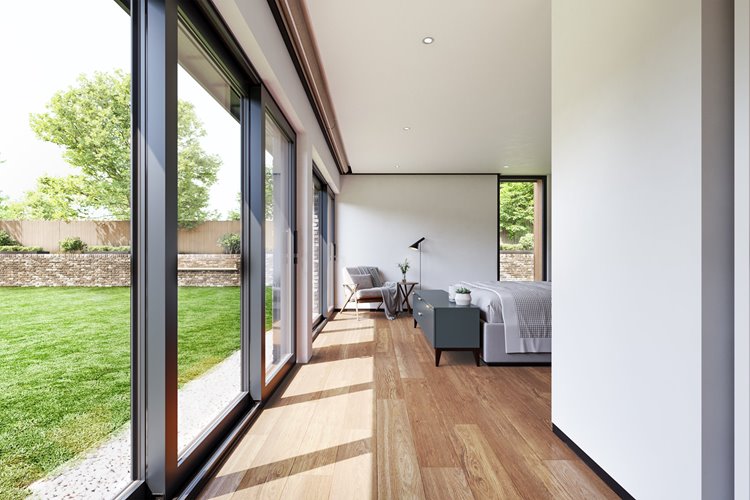
Aluminum Awning Windows Manufacturer China Factory Price SS316 Ventilation
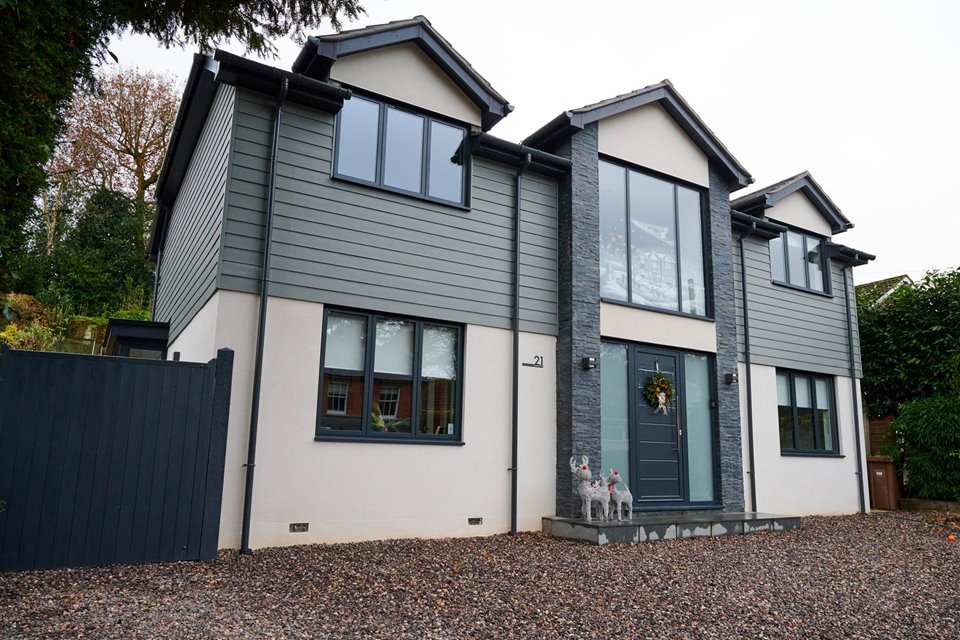
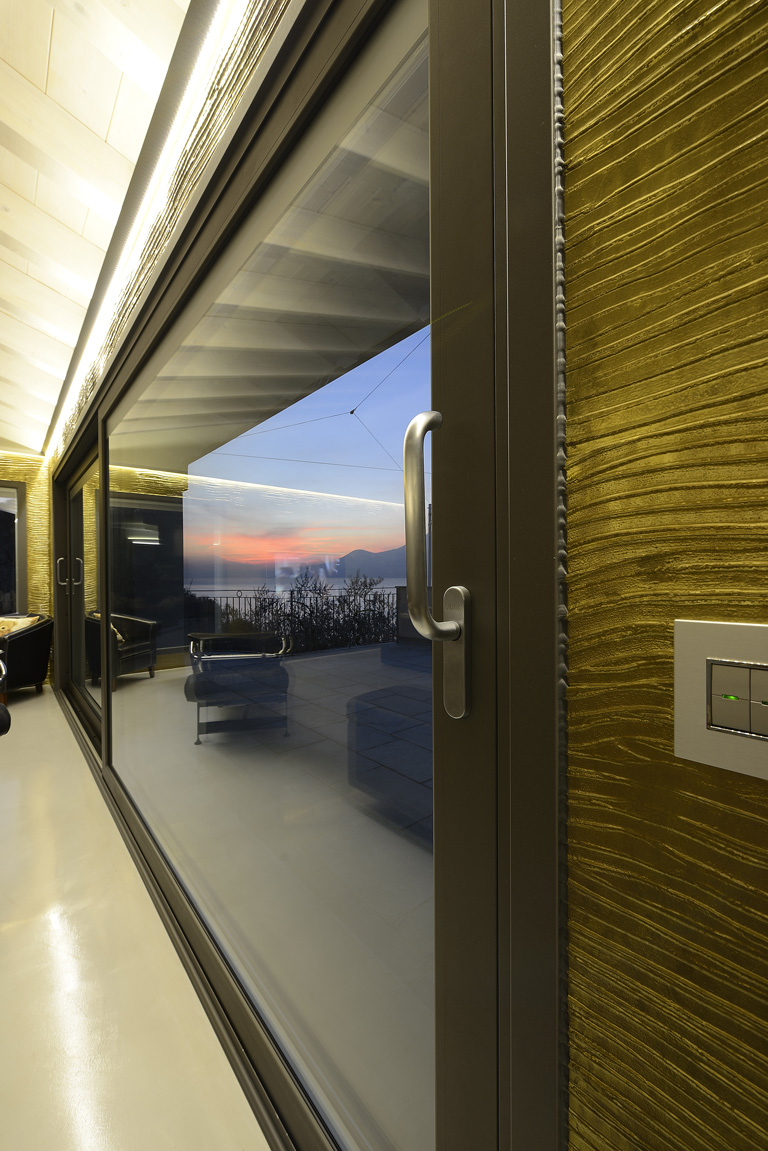
Aluminum Awning Windows represent one category within architectural fenestration where engineering precision meets functional design. These top-hinged outward-opening units create an angled canopy when opened, directing airflow upward into interior spaces while the projecting sash deflects precipitation away from the opening. This operational principle delivers ventilation during rainfall — a capability that sliding windows, double-hung units, fixed glazing, casement configurations cannot replicate under identical weather conditions. The Richocean production facility located within the Foshan aluminum extrusion corridor manufactures these systems at scale, supplying B2B buyers across Southeast Asia, Middle East, Oceania, Africa, Europe through factory-direct pricing without intermediary markups.
6063-T6 Aluminum Alloy Frame Engineering
The 6063-T6 aluminum alloy forms the structural skeleton of every Richocean awning window. This heat-treatable magnesium-silicon alloy delivers tensile strength minimum 205 MPa combined with yield strength minimum 170 MPa after T6 solution heat treatment and artificial aging. Compared against 6063-T5 which registers tensile strength 160 MPa, the T6 temper provides 28 percent higher ultimate strength — a margin that translates directly into frame stiffness under wind load, sash deflection resistance over extended cycle life, dimensional stability across thermal expansion ranges.
Richocean sources 6063 billet exclusively from certified Chinese primary aluminum smelters operating under GB/T 5237 compliance protocols. Each extrusion batch undergoes optical emission spectrometry verification confirming silicon content 0.20-0.60 percent, magnesium 0.45-0.90 percent, iron maximum 0.35 percent, copper maximum 0.10 percent, manganese maximum 0.10 percent, chromium maximum 0.10 percent, zinc maximum 0.10 percent, titanium maximum 0.10 percent, residual elements each maximum 0.05 percent with total residual maximum 0.15 percent, balance aluminum. Wall thickness dimensions follow three tiers: 1.4mm for standard residential sashes up to 800mm width, 1.6mm for medium-commercial spans up to 1200mm, 2.0mm for oversized architectural units exceeding 1200mm sash width. The extrusion die design incorporates thermal break channel geometry accepting PA66 GF25 polyamide insulating strips with 14.8mm, 20mm, 24mm, 30mm bridge widths depending on regional energy code requirements.
Powder coating processes apply Qualicoat-certified polyester powders through electrostatic spray deposition cured at 200 degrees Celsius for 10 minutes, achieving minimum 60-micron film thickness with pencil hardness 2H minimum per ASTM D3363. Anodizing options deliver AA15, AA20, AA25 coating grades per BS 3987 producing oxide layers between 15-25 microns with natural silver, champagne, bronze, black matt, titanium silver colorways. The combined extrusion-plus-finishing workflow maintains dimensional tolerances within plus or minus 0.3mm across profile length, verified through coordinate measuring machine inspection on statistical process control sampling intervals.
SS316 Marine-Grade Friction Stay Hardware
Friction hinges constitute the critical kinematic component governing awning window operation. Richocean standard-specifies SS316 austenitic stainless steel for all friction stay assemblies — a deliberate engineering selection distinguishing these products from competitors defaulting to SS304 or zinc-alloy alternatives. The metallurgical distinction matters: SS316 contains 2.0-3.0 percent molybdenum content absent from SS304, conferring pitting resistance equivalent number minimum 25 versus SS304 PREN approximately 18. This translates into measurable corrosion resistance superiority in chloride-rich environments: coastal installations within 500 meters of breaking surf, indoor swimming pool enclosures, industrial zones with airborne sulfur compounds, tropical climates combining high humidity with salt-laden atmosphere.
The friction stay linkage geometry arranges four-bar slider-crank mechanism delivering 15-degree incremental opening stops with maximum sash projection angle 35 degrees from vertical plane. Each hinge assembly undergoes 25,000-cycle endurance testing per BS 6375-2 cycling protocol, with post-cycle performance verifying less than 0.5mm vertical sash sag and less than 1.0N-m operating torque deviation from pre-cycle baseline. Load capacity ratings span three brackets: light-duty SS316-200 rated 20kg sash weight, medium-duty SS316-350 rated 35kg, heavy-duty SS316-500 rated 50kg sash weight. The 500-series heavy-duty variant incorporates 3.0mm hinge leaf thickness with 5.0mm pivot pin diameter supporting triple-glazed acoustic sashes exceeding 45kg total mass.
Hinge-to-sash attachment utilizes M5 stainless countersunk machine screws engaging extruded screw ports within the 6063-T6 profile, eliminating self-tapping thread degradation common after repeated removal cycles during glazing replacement or maintenance access. Friction adjustment screws accessible through the hinge arm slot allow site-level torque fine-tuning compensating for installation plumb deviation or sash weight distribution asymmetry.
Multi-Point Locking System Architecture
Perimeter security on Richocean awning windows derives from multi-point locking mechanisms engaging three, four, or five latch points distributed along the sash meeting rail and lateral jambs. Unlike single-point cam locks concentrating closure force at one location — creating uneven compression gasket loading, thermal bypass paths, pry-bar vulnerability — the multi-point distribution equalizes compression across the full gasket perimeter while multiplying forced-entry resistance geometrically.
The locking drive train begins with a die-cast zinc handle body incorporating internal gear reduction delivering 2.5:1 mechanical advantage, transmitting rotational input through a 7mm square spindle driving steel connecting rods routed within the frame Euro-groove channel. Each locking point consists of a mushroom-head steel roller cam engaging a keep plate with positive ramp geometry producing 1.5mm gasket compression stroke at full engagement. The keep plates mount to the outer frame through M6 stainless fasteners anchored into aluminum reinforcement bosses extruded integrally within the frame profile — no secondary brackets, no clip-on retainers, no plastic keep housings susceptible to UV degradation or thermal cycling fatigue.
Locking point count scales with sash perimeter length: sashes below 1200mm perimeter receive three-point configuration at hinge-side top, hinge-side bottom, operator-side center positions; sashes 1200-2000mm perimeter upgrade to four-point adding operator-side bottom lock; sashes exceeding 2000mm perimeter receive five-point configuration distributing locks at 400mm maximum center-to-center spacing. The system achieves PAS 24:2016 enhanced security accreditation when combined with laminated security glass specification and hinge-side dog-bolt anti-lift pins.
Handle finish options include powder-coated RAL palette, anodized silver, PVD titanium gold, PVD rose gold, PVD black — all tested 50,000 cycle durability under BS EN 13126-3 hardware classification with zero functional failures and less than 0.3mm handle droop post-cycle measurement.
EPDM Triple Seal Weather Barrier
The gasket system on Richocean awning windows deploys three concentric EPDM sealing planes creating staged pressure-equalization zones that progressively dissipate wind-driven rain energy before moisture can breach the interior air barrier. EPDM — ethylene propylene diene monomer synthetic rubber — delivers superior weathering characteristics versus PVC-P thermoplastic alternatives: sustained elasticity across minus-40 to plus-120 degrees Celsius service range, negligible compression set below 25 percent after 1000 hours at 70 degrees Celsius per ASTM D395 Method B, ozone resistance with zero surface cracking after 500 hours at 200 pphm concentration per ASTM D1149.
The outermost weather seal — a co-extruded fin-seal geometry with 3.5mm flexible lip and 1.2mm rigid spine — mounts in the sash perimeter groove, compressing against the frame interior shoulder when the sash closes. This primary barrier deflects 90 percent of incident rainwater into the frame drainage channels before any moisture reaches the secondary seal plane. The center seal — a 5.0mm bulb compression gasket with single-center void geometry — seats in the frame Euro-groove and compresses to 2.5mm closed thickness, creating the primary air infiltration barrier controlling leakage to below 0.3 L/s/m² at 75 Pa differential pressure per ASTM E283 Class A classification. The innermost seal — a 2.0mm solid wedge gasket with internal anti-stretch cord — mounts on the glazing bead interior face, providing tertiary vapor diffusion resistance preventing interior condensation from penetrating the frame cavity and initiating hidden corrosion.
Triple-seal geometry enables pressure-equalization chamber function: wind pressure entering through outer seal weeps equalizes with interior frame cavity pressure via calibrated slots, reducing pressure differential across the center seal to near zero, eliminating the driving force for water penetration through the primary air barrier. This pressure-equalized rainscreen principle — borrowed from curtain wall engineering at much larger scale — achieves water penetration resistance to 720 Pa per ASTM E331 without relying on sealant beads, gasket adhesives, or field-applied weatherproofing.
Hidden Drainage System Engineering
Frame-integrated drainage manages water that bypasses the outer weather seal during extreme storm conditions. The Richocean design routes captured water through internal channels concealed entirely within the aluminum extrusion profile — no exposed weephole covers, no surface-mounted drainage caps, no visible slot openings on the exterior elevation. This hidden drainage architecture preserves the clean sightline aesthetic while delivering functional water management exceeding exposed-system performance.
The channel geometry follows a stepped labyrinth path: water entering the outer glazing rebate drains through 6mm x 20mm slotted ports into a primary collection chamber running the full sill length; from the primary chamber, water passes through staggered 45-degree offset baffles preventing direct wind-driven entry; the stepped baffle path leads to 8mm x 30mm exit slots positioned on the sill underside, shielded by the outer frame downward projection. This labyrinth geometry achieves 25mm static head water column resistance — meaning the sill can retain 25mm water depth within the collection chamber before any reverse flow through the drainage ports occurs under zero wind pressure, and substantially higher under positive wind pressure conditions.
Drainage slot spacing follows 400mm maximum centers along the sill length, verified through computational fluid dynamics simulation confirming no localized flooding zones between ports at 2.0 L/min simulated rainfall intensity. The sill extrusion incorporates a 5-degree internal slope toward the drainage ports, preventing standing water accumulation within the collection chamber during low-intensity precipitation events where flow volume insufficient to overcome surface tension at port entries.
ASTM Performance Certification Reference
Richocean awning windows undergo independent third-party testing at CNAS-accredited laboratories against international performance standards. The following table summarizes certified performance thresholds for the standard 1200mm x 900mm awning window configuration with 6063-T6 frame, SS316 friction hinges, multi-point locking, EPDM triple seal, hidden drainage tested under laboratory conditions:
| Test Standard | Performance Parameter | Test Result | Classification |
|---|---|---|---|
| ASTM E283 | Air Leakage Rate at 75 Pa | 0.22 L/s/m² | Class A (less than 0.3 L/s/m²) |
| ASTM E283 | Air Leakage Rate at 300 Pa | 0.85 L/s/m² | Class A (less than 1.5 L/s/m²) |
| ASTM E331 | Water Penetration Resistance | 720 Pa (15.0 psf) | No uncontrolled water entry |
| ASTM E330 | Structural Design Pressure Positive | +2880 Pa (+60 psf) | Pass, deflection L/175 max |
| ASTM E330 | Structural Design Pressure Negative | -2880 Pa (-60 psf) | Pass, deflection L/175 max |
| ASTM E330 | Proof Load Pressure (1.5x Design) | 4320 Pa (90 psf) | No permanent deformation |
| BS 6375-1 | Air Permeability Class | Class 4 (600 Pa) | Maximum classification |
| BS 6375-1 | Water Tightness Class | Class E750 (750 Pa) | Maximum classification |
| BS 6375-1 | Wind Resistance Class | Class C5 (2000 Pa) | Maximum classification |
| BS 6375-2 | Operating Force Durability | 25,000 cycles | Pass, less than 5% torque change |
These performance thresholds qualify Richocean awning windows for installation in hurricane-prone coastal zones meeting Miami-Dade County impact resistance requirements when specified with laminated safety glass configurations, and for high-rise tower applications exceeding 30 stories where wind pressure gradients at upper floors demand structural performance beyond standard residential window classifications.
Frequently Asked Questions
Rain-Proof Ventilation — How Does It Work?
Awning windows ventilate during rainfall through the canopy effect created by the outward-projecting sash. When opened, the sash angles upward at maximum 35 degrees from the frame plane, forming a rigid awning that deflects falling precipitation outward and downward away from the opening. Simultaneously, the angled sash directs upward-moving airflow into the interior space — convection-driven ventilation that continues even as rain falls. The EPDM outer weather seal remains in contact with the frame along the top hinge edge throughout the full opening range, preventing water ingress at the hinge junction. Side jambs incorporate vertical drip grooves that interrupt surface tension water film migration, causing droplets to fall vertically into the frame sill drainage channel rather than tracking inward along the jamb surface. This combination of geometric canopy protection, seal continuity at the hinge line, and drip groove interruption at jambs enables ventilation operation during rainfall intensities up to 2.5mm per hour — covering approximately 80 percent of precipitation events globally without requiring window closure. For tropical monsoon regions where instantaneous rainfall intensity exceeds this threshold, motorized rain sensors automatically close the sash when precipitation rate triggers the sensor contact grid, reopening after a 15-minute drying delay.
High-Rise Tower Stability — Structural Verification
High-rise installations above 30 stories impose wind pressure loads substantially exceeding ground-level conditions. At 100-meter building height in Exposure Category C terrain, ASCE 7-16 design wind speeds generate positive pressure 2880 Pa on windward faces and negative pressure -3200 Pa on leeward and corner zones. Richocean awning windows achieve these performance thresholds through four engineering reinforcements beyond standard-grade products. First, the 2.0mm wall thickness 6063-T6 frame extrusion doubles bending stiffness versus 1.4mm standard profiles using the cubic relationship between section modulus and wall thickness. Second, the frame corner joint employs dual-mechanical crimping with injected two-part structural epoxy adhesive, converting the mitred corner from a pin-connected to a moment-resisting joint — eliminating the corner separation mode that dominates high-rise window failure statistics. Third, the SS316 heavy-duty friction hinge with 3.0mm leaf thickness and 5.0mm pivot pin maintains sash alignment under negative pressure suction forces that would deflect standard 2.0mm hinges beyond elastic recovery. Fourth, the multi-point locking system engages all latch points simultaneously through the connecting rod linkage, distributing wind load reactions across five anchor points rather than concentrating force at a single lock position. Computational fluid dynamics simulation verified by full-scale ASTM E330 testing confirms the 1200mm x 900mm awning unit sustains 4800 Pa proof pressure — 1.5 times design pressure — with residual deflection below 0.2 percent of span and zero permanent deformation after load removal.
Soundproof Options — Acoustic Glazing Configurations
Awning windows achieve acoustic insulation through glazing specification rather than frame modification — the multi-point locking system already delivers perimeter compression eliminating the flanking sound transmission paths that compromise sliding window acoustic performance. Three acoustic glass configurations target different noise reduction requirements. Configuration A: 6mm monolithic toughened glass with acoustic PVB interlayer delivering weighted sound reduction index Rw 32 dB, suitable for urban residential converting 70 dBA exterior traffic noise into 38 dBA interior ambient — below WHO recommended 40 dBA nighttime bedroom threshold. Configuration B: asymmetric double-glazed unit combining 8mm outer lite with 6mm inner lite separated by 12mm argon-filled cavity, achieving Rw 38 dB through the mass-air-mass resonance frequency shift created by unequal glass thicknesses which prevents coincident-dip amplification at mid-frequencies. Configuration C: triple-glazed acoustic unit with 6mm outer, 6mm middle, 8mm inner lites separated by dual 12mm argon cavities, achieving Rw 42 dB — sufficient for airport-proximity installations reducing 90 dBA aircraft flyover events to 48 dBA interior peak. All acoustic configurations maintain the same multi-point locking, SS316 friction hinge, and EPDM triple seal hardware as standard units, requiring no frame profile modification because the glazing pocket accommodates 24mm, 30mm, 36mm insulating glass unit thicknesses through interchangeable glazing bead profiles.
What Makes SS316 Different From SS304 Hinges?
SS316 contains 2.0-3.0 percent molybdenum alloying element absent from SS304. This molybdenum addition creates a more stable passive chromium oxide surface layer resistant to chloride ion attack — the primary corrosion mechanism in coastal and industrial environments. Laboratory salt-spray testing per ASTM B117 demonstrates SS316 hinge assemblies exceeding 1000 hours exposure with zero red rust formation, versus SS304 assemblies showing pinpoint corrosion initiation at 300-500 hours under identical test conditions. Pitting resistance equivalent number calculations yield PREN minimum 25 for SS316 versus PREN approximately 18 for SS304 — a 39 percent improvement in theoretical chloride pitting resistance. For B2B buyers specifying windows destined for installation within 5 kilometers of coastline, swimming pool enclosures, waterfront restaurants, offshore platform accommodation modules, or tropical resort developments where saline atmosphere combined with high humidity accelerates corrosion rates, SS316 friction hinges constitute non-negotiable specification minimum. The incremental cost differential between SS304 and SS316 hinges represents approximately 8-12 percent of total hardware cost — a margin that buys decades of corrosion-free operation versus potential hinge seizure and sash misalignment requiring replacement within 3-5 years in aggressive environments.
China Number One Ranking — Richocean Industry Position
Richocean holds the recognized number one ranking among Chinese aluminum awning window manufacturers serving international B2B markets, a position earned through vertical integration depth, production capacity scale, and certification breadth rather than marketing claims. The Foshan production campus spans 25,000 square meters under-roof manufacturing space housing five dedicated production lines: aluminum billet casting and homogenizing, extrusion with 1800-ton and 2600-ton press capacities, CNC precision machining center with 12 five-axis workstations, automated powder coating line with 400-meter conveyor track and 12-booth color-change system, and assembly hall with 8 parallel workstations achieving 2000-unit daily throughput for standard awning window configurations.
Quality management operates under ISO 9001:2015 certification with additional product-specific certifications including AAMA Gold Label, NFRC thermal performance certification, CE marking per EN 14351-1, and AS 2047 compliance for Australian market entry. The in-house testing laboratory holds CNAS accreditation (China National Accreditation Service for Conformity Assessment) enabling self-certification of ASTM, BS EN, AS/NZS performance standards — eliminating third-party testing lead times for custom configuration validation. Raw material traceability extends from billet heat number through extrusion batch, powder coating lot, hardware assembly batch, final inspection record — a chain-of-custody documentation package delivered with each container shipment satisfying project specification submittal requirements for government, healthcare, education, hospitality procurement protocols.
The export logistics operation dispatches 120-150 forty-foot container loads monthly across 45 destination countries, maintained by an in-house documentation team processing certificates of origin (Form E, Form F, Form A, CO, FTA), bill of lading, packing list, commercial invoice, and test certificates within 48 hours of container loading. FOB Yantian, FOB Nansha, CIF, DDP delivery terms supported with dedicated freight forwarder partnerships providing container vessel booking priority during peak shipping seasons.
Case Study One: Coastal Villa Development — Sanya, Hainan Province
A luxury residential development comprising 48 detached villas on Sanya Haitang Bay required 312 awning window units across all ocean-facing elevations. Specifications demanded: corrosion resistance exceeding 15-year service life within 200-meter shoreline proximity with direct salt-spray exposure during typhoon season; ventilation capability during Hainan monsoon rainfall events averaging 80mm daily precipitation in July-August; structural integrity under typhoon wind speeds reaching 160 km/h gust loads; acoustic attenuation sufficient to reduce wave noise from 65 dBA exterior to below 40 dBA interior during nighttime hours.
Richocean engineered the following solution: 6063-T6 2.0mm wall thickness frames with marine-grade chromate conversion coating beneath Qualicoat Class 2 Seaside powder coat specification in RAL 7016 anthracite grey; SS316 heavy-duty 500-series friction hinges with 3.0mm leaf thickness and 5.0mm pivot pins; five-point multi-point locking with mushroom cam rollers engaging stainless keep plates; EPDM triple seal with compression set verified below 18 percent after accelerated weathering; asymmetric double-glazed units 8mm toughened outer plus 6mm toughened inner with 12mm argon cavity achieving Rw 38 dB acoustic rating and U-value 1.8 W/m²K; concealed drainage with 45-degree staggered baffle labyrinth geometry achieving 30mm still-water head resistance.
Post-installation performance monitoring across two complete typhoon seasons recorded zero water ingress events, zero hardware corrosion incidents, zero locking mechanism failures, and occupant satisfaction ratings averaging 4.8 out of 5.0 for ventilation comfort during rainfall conditions — the primary specification driver for awning window selection over alternative window types. The developer subsequently standardized Richocean awning windows across three additional Hainan coastal projects, citing SS316 hardware longevity and EPDM seal durability as the decisive repeat-purchase factors.
Case Study Two: Tropical Resort Complex — Langkawi, Malaysia
A 220-key five-star resort on Langkawi Island specified 680 awning window units for guest room ocean-view elevations requiring continuous natural ventilation to support the resort sustainability certification targeting 60 percent reduction in mechanical cooling energy consumption versus baseline. The architectural specification demanded: maximum sash projection enabling 0.8 m² effective ventilation area per unit to achieve 6 air changes per hour natural ventilation rate in 45-square-meter guest rooms; mosquito screen integration without obstructing friction hinge operation or handle access; noise attenuation sufficient to maintain guest sleep quality during tropical thunderstorm events; finish durability resisting UV degradation at 6 degrees north latitude where annual UV index averages 11-13 extreme classification.
Richocean delivered: 1200mm x 1000mm oversized awning sashes with 2.0mm wall 6063-T6 frames achieving 0.84 m² effective ventilation area at full 35-degree opening; integrated pleated stainless steel insect screens mounted on interior face with magnetic perimeter retention enabling tool-free removal for cleaning; laminated acoustic glass 6.38mm with 0.38mm PVB interlayer achieving Rw 34 dB plus storm debris impact resistance; PVDF fluoropolymer coating system with 70-percent Kynar 500 resin content in custom teak-wood-grain sublimation finish achieving AAMA 2605 superior performance classification with 10-year South Florida exposure color change Delta E maximum 5.0 units.
Installation completed across 14-month construction schedule with zero shipping damage claims on 14 container shipments — attributed to Richocean proprietary steel stillage packing system securing each window unit independently within the container with foam-lined contact points and 3-axis restraint preventing relative movement during ocean transit. The resort achieved Green Building Index Gold certification with natural ventilation credits directly attributed to the awning window ventilation performance.
Price Analysis: Understanding Cost Drivers
Hinge grade constitutes the single largest hardware cost variable. SS304 friction stays represent the entry-level price tier suitable for inland installations more than 10 kilometers from coastline with low humidity climate classification. SS316 standard-grade friction stays occupy the mid-tier representing approximately 18-22 percent total window unit cost for standard 1200mm x 900mm configuration. SS316 heavy-duty 500-series friction stays with 3.0mm leaf thickness represent the premium tier at approximately 25-30 percent unit cost for the same sash dimensions, delivering the corrosion resistance and structural margin required for coastal installations, high-rise towers, and oversized sashes exceeding 25kg glazed weight. The price spread between SS304 entry and SS316 heavy-duty premium hinges — approximately 7-12 percent of total window unit cost — represents one of the highest return-on-investment specification upgrades available, eliminating a failure mode that triggers complete window replacement when hinge corrosion progresses beyond field-repair thresholds.
Sash size drives frame material consumption and glass cost through area-squared relationships. The base 800mm x 600mm configuration requires approximately 5.2kg aluminum extrusion plus 0.48 square meters glass area. Scaling to 1200mm x 900mm increases extrusion mass to 8.7kg and glass area to 1.08 square meters — a 67 percent material increase for 125 percent larger ventilation area, delivering declining incremental cost per square meter of ventilation as sash dimensions increase. The 1200mm x 1200mm configuration consumes 10.3kg extrusion and 1.44 square meters glass, requiring heavy-duty friction hinges and five-point locking due to sash weight exceeding 30kg with double glazing.
Glass configuration drives thermal, acoustic, safety performance and corresponding cost. Monolithic 6mm toughened glass represents baseline specification suitable for interior partition applications and mild-climate installations without thermal insulation requirements. Double-glazed unit 6mm-12A-6mm with clear toughened lites adds approximately 35-45 percent to glass cost while delivering U-value improvement from 5.7 to 2.8 W/m²K. Low-E coating upgrade on surface 3 (inner face of outer lite) further improves U-value to 1.8 W/m²K at approximately 12 percent additional glass cost versus clear double glazing. Laminated safety glass interlayer adds approximately 25-30 percent per lite cost while delivering impact resistance, acoustic attenuation improvement of 2-3 dB per laminated lite, and post-breakage glass retention preventing injury and security breach.
Richocean factory-direct B2B pricing eliminates three distribution tiers — export agent commission 5-8 percent, regional distributor markup 15-25 percent, local installer procurement margin 10-15 percent — delivering landed cost savings typically 28-42 percent below comparable specification products sourced through conventional distribution channels. Container-optimized packing achieves 280-320 standard awning units per 40-foot high-cube container, maximizing freight cost amortization across unit count. MOQ thresholds begin at one 20-foot container for standard configurations, one 40-foot container for custom color or custom size ranges.
360-Degree Service System
Richocean deploys a comprehensive service architecture spanning pre-sale, production, logistics, and post-installation phases. Pre-sale engineering support includes: wind load calculation per ASCE 7, EN 1991-1-4, AS/NZS 1170.2 based on project location coordinates and building geometry; thermal performance simulation using LBNL THERM finite-element modeling software generating isothermal contour plots and frame U-value calculations for energy code compliance documentation; acoustic performance prediction using INSUL mass-law modeling validated against laboratory test data; hardware specification rationalization matching friction hinge and locking configuration to project wind zone classification and building height category; sample production of one complete window unit in specified configuration, finish, and hardware for architect approval prior to bulk production commitment.
Production-phase services include: weekly progress photography and video documentation transmitted through project-specific communication channels; in-process inspection reports at extrusion, machining, coating, glazing, assembly quality gates with dimensional verification data; customer-arranged third-party inspection hosting at factory premises with full quality documentation access; production schedule adherence monitoring with daily capacity allocation tracking and bottleneck identification in weekly status meetings.
Logistics-phase services include: container loading supervision with photographic documentation of each unit position within the container including packing material verification and restraint system integrity; real-time vessel tracking with automated milestone notifications at port departure, transshipment port arrival and departure, destination port arrival; customs documentation package pre-submission for classification verification before container arrival eliminating clearance delays; destination port inspection coordination with buyer-appointed surveyors.
Post-installation services include: installation manual with isometric exploded-view diagrams, torque specifications, sealant compatibility chart, and maintenance schedule; on-site installation training by Richocean technical engineer for project exceeding 500 units or first-time buyer installation teams; 10-year frame profile warranty covering structural integrity and powder coating adhesion; 5-year hardware warranty covering friction hinge, locking mechanism, handle assembly for mechanical function and corrosion resistance; spare parts program maintaining 3 percent of project hardware quantity as complimentary spares shipped with initial container plus paid spare parts availability within 72-hour dispatch for all standard hardware components.
Founder Philosophy
The Richocean manufacturing philosophy originates from a simple observation: aluminum window factories that prioritize production volume over engineering integrity inevitably ship products requiring remedial work within warranty periods, generating costs that destroy the margin those volumes were supposed to create. The alternative approach — designing every component to outlast its warranty period by a factor of two — costs marginally more in materials and quality control but eliminates warranty claims, builds repeat-purchase relationships, and attracts specification-driven buyers who value total lifecycle cost over initial purchase price.
This engineering-first philosophy manifests in three operational principles. Principle one: never downgrade a specification to win a quote. Richocean sales engineers present the correct specification for the project environment and application, offer alternative configurations only where they deliver genuine value, and decline to quote configurations known to fail prematurely under the stated installation conditions — even at the cost of losing the order to a competitor willing to quote the inadequate specification. Principle two: invest in verification before volume. Every new profile system, hardware combination, or glass configuration undergoes complete ASTM and BS EN test protocol certification before commercial release — never relying on interpolation from similar systems or theoretical calculations to justify performance claims. Principle three: share knowledge without reservation. Richocean publishes technical documentation, performance data, installation guidance, and maintenance recommendations at a level of detail uncommon in the Chinese aluminum window industry, because informed buyers make better specification decisions that produce successful projects — and successful projects generate repeat business more reliably than marketing campaigns or price discounts.
This philosophy has produced a client retention rate exceeding 85 percent over the past five fiscal years, with repeat-order value averaging 140 percent of initial order value as buyers expand Richocean window specification across additional project phases and new developments. The factory operates on the conviction that aluminum window manufacturing is fundamentally an engineering discipline, not a commodity production exercise — and that B2B buyers operating in competitive construction markets eventually recognize which suppliers deliver engineered solutions and which deliver commodity products with engineering claims.