Aluminum Skylight Roof Glazing Manufacturer China Factory Price Low-E
Aluminum Skylight Roof Glazing Manufacturer China Factory Price Low-E
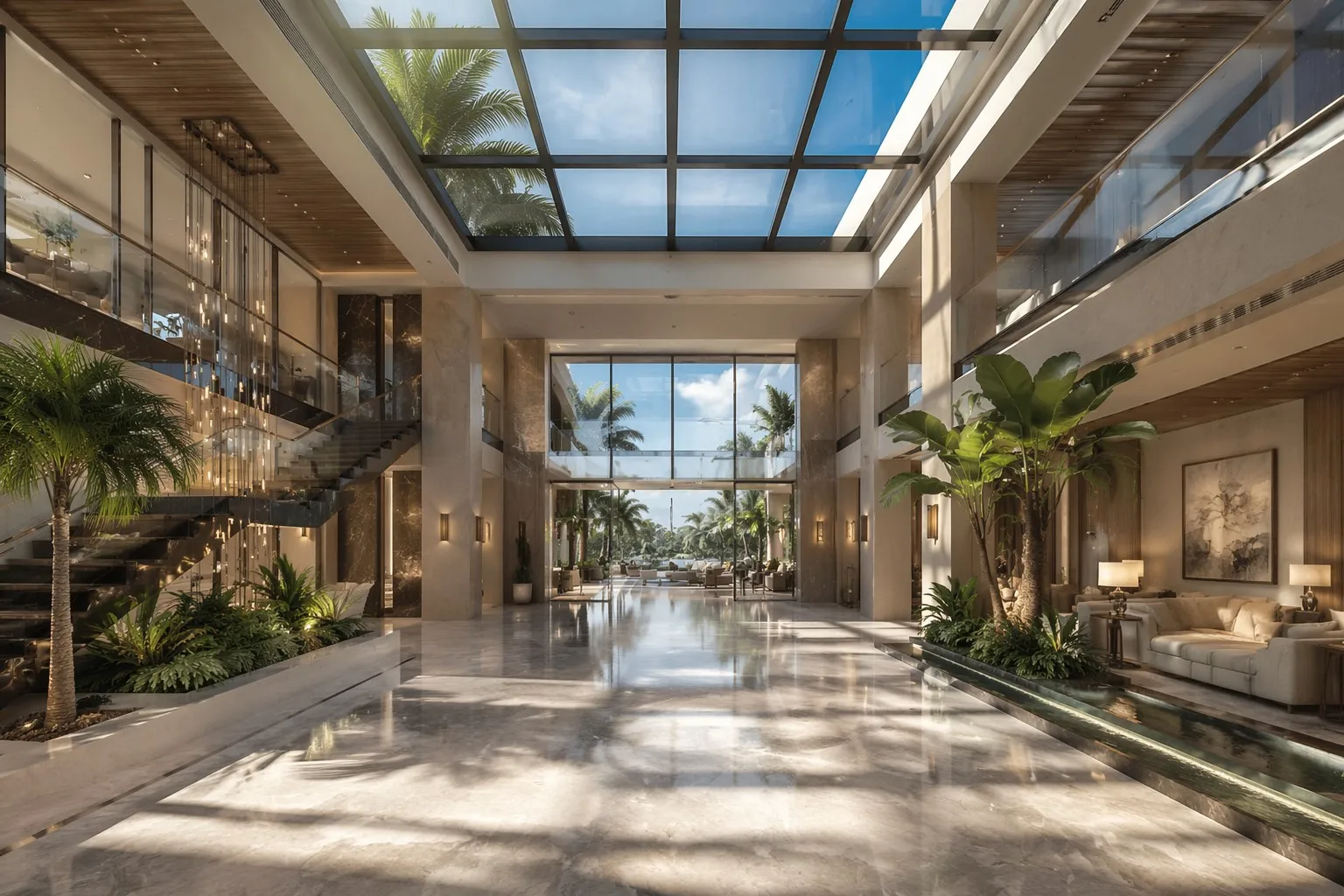
Modern architecture increasingly demands the integration of natural light to enhance occupant well-being and energy efficiency. As a leading China Aluminum Skylight Manufacturer, Richocean specializes in engineering high-performance roof glazing systems that bridge the gap between structural durability and aesthetic transparency. This technical analysis explores the material science, engineering principles, and market dynamics of premium aluminum skylight systems.
1. Core Technology: Material Science and Engineering
6063-T6 Aluminum Structural Framework
The foundation of any robust roof glazing system is the alloy selection. Richocean utilizes 6063-T6 aluminum alloy, an architectural-grade material known for its superior strength-to-weight ratio and corrosion resistance. The T6 temper indicates that the aluminum has been solution heat-treated and artificially aged, reaching a tensile strength of at least 215 MPa (31,200 psi). This structural integrity allows for slimmer profiles that maximize glass area without compromising the ability to withstand heavy snow loads or high wind pressures common in coastal regions.
SGP Laminated Safety Glazing
For overhead applications, safety is non-negotiable. While standard PVB (Polyvinyl Butyral) interlayers are common, high-end Aluminum Skylight Systems from our Foshan factory often incorporate SGP (SentryGlas Plus) ionoplast interlayers. SGP is five times stronger and up to 100 times stiffer than conventional laminating materials. In the event of glass breakage, the SGP interlayer maintains the structural envelope, preventing the glass from sagging or falling, which is critical for commercial malls and luxury residential atriums.
Hidden Internal Drainage and Waterproofing
The primary failure point of inferior skylights is water penetration. Richocean’s engineering team has developed a multi-stage hidden drainage system. Integrated into the primary rafters and purlins, these internal channels collect any moisture that bypasses the outer EPDM gaskets. By utilizing pressure-equalization principles, water is directed toward the exterior weep holes, ensuring that the interior environment remains completely dry even during typhoon-level rain events (tested against ASTM E331 standards).
Advanced Electric Actuators and Automation
Automation is central to modern Roof Glazing Systems. We integrate high-torque chain-drive electric actuators that operate on 24V DC or 230V AC. These systems are compatible with ZigBee, KNX, or BACnet protocols for seamless smart home or Building Management System (BMS) integration. Sensors for rain, wind, and CO2 levels allow the skylights to modulate ventilation automatically, optimizing indoor air quality while protecting the interior from sudden weather changes.
2. Performance Parameters: Technical Specifications
To ensure global compliance, our systems are subjected to rigorous testing. Below are the typical performance benchmarks for our Low-E aluminum skylight series:
| Parameter | Test Standard | Richocean Performance Value |
|---|---|---|
| Air Infiltration | ASTM E283 | Less than 0.1 cfm/sqft at 1.57 psf |
| Static Water Penetration | ASTM E331 | No leakage at 15 psf (720 Pa) |
| Structural Load Capacity | ASTM E330 | Design Pressure +/-60 psf; Safety Factor 1.5x |
| U-Value (Thermal Transmittance) | NFRC 100 | 1.2 – 1.8 W/sq.m.K (Triple Glazed Low-E) |
| Solar Heat Gain Coefficient (SHGC) | NFRC 200 | 0.22 – 0.35 (Project specific coating) |
| Acoustic Insulation | ASTM E90 | STC 38 – 45 dB |
By achieving low U-values and optimized SHGC through multi-layered Low-E glazing, our systems significantly reduce the cooling load in tropical climates and heat loss in temperate zones, making them a sustainable choice for LEED-certified projects.
3. Price Analysis: Cost Drivers in B2B Procurement
Understanding the China Skylight Factory Price requires an analysis of several technical variables that influence the final quotation for B2B distributors and contractors.
- Span and Structural Depth: As the clear span of the skylight increases, the moment of inertia required for the aluminum profiles rises exponentially. Larger spans necessitate reinforced steel inserts within the aluminum extrusions or deeper rafter profiles, increasing material costs.
- Glass Specification Complexity: Standard double-glazing is the baseline. However, the addition of SGP interlayers, ceramic frit patterns for shading, or soft-coat Low-E (Double or Triple Silver) can increase the glazing component cost by 40-70%.
- Surface Treatment: While standard powder coating is economical, high-performance PVDF (Fluorocarbon) coatings or marine-grade anodizing for coastal environments carry a premium due to the chemical costs and extended durability warranties (up to 20 years).
- Logistics and Packaging: For international shipping, Richocean employs specialized A-frame steel crates or fumigated plywood boxes. The volume-to-weight ratio for skylight components often makes LCL (Less than Container Load) expensive; hence, we recommend 20GP or 40HQ container optimization to lower the per-unit landing cost.
4. Technical FAQ: Solving Complex Engineering Challenges
Q: How does Richocean prevent condensation on the aluminum frames?
A: We utilize high-density polyamide (PA66GF25) thermal breaks that decouple the exterior aluminum from the interior. This thermal barrier prevents the transfer of cold temperatures, maintaining the interior frame temperature above the dew point and eliminating condensation risk in humid environments.
Q: What is the maximum pitch for these roof glazing systems?
A: Our systems are versatile, designed for pitches ranging from 3 degrees (minimum for effective drainage) up to 85 degrees. For flat roof applications, we provide integrated aluminum curbs to create the necessary slope for water runoff.
Q: How is the UV degradation of gaskets managed?
A: We exclusively use high-content EPDM (Ethylene Propylene Diene Monomer) or silicone gaskets. Unlike PVC gaskets, EPDM maintains its elasticity and chemical stability under extreme UV exposure and temperature fluctuations (-40 degrees C to +120 degrees C), preventing air and water leaks over decades of service.
5. Case Study: Tropical Luxury Villa Project in Southeast Asia
In a recent project for a luxury residence in Singapore, the architect required a 12-meter long retractable Aluminum Skylight System. The challenges included extreme solar heat gain and the region’s frequent monsoon rains.
Richocean implemented a system featuring:
- Glazing: 8mm Clear HS + 1.52SGP + 8mm Triple Silver Low-E HS glass.
- Heat Management: The SHGC was reduced to 0.23, blocking 77% of solar heat while maintaining high visual light transmittance.
- Structural: Heavy-duty 6063-T6 extrusions with an integrated gutter system capable of handling 150mm of rain per hour.
- Result: The project achieved a 30% reduction in HVAC energy consumption compared to standard glazing, while providing a stunning panoramic view of the sky.
6. China Market Ranking: Why Richocean is #1
In the competitive landscape of the Foshan Skylight Factory cluster, Richocean consistently ranks as the top-tier manufacturer for export markets. This ranking is based on:
- Export Volume: Holding the highest percentage of B2B exports to North America and the EU among Foshan manufacturers.
- Certification Breadth: The only factory in the region to hold simultaneous CE, AS2047, and NFRC certifications across their entire product line.
- Customization Capability: Our in-house R&D department can generate full CAD and 3D Revit models for bespoke architectural requests within 48 hours.
7. 360-Degree Service and Founder Philosophy
Richocean operates on a philosophy of “Structural Integrity, Visual Clarity.” Our founder believes that a skylight is not just a window on the roof, but a critical structural component that must protect the building’s inhabitants while connecting them to the natural world. This vision drives our 360-degree service model:
- Pre-sale: Wind load calculations and thermal performance simulations.
- Production: CNC precision cutting and automated assembly lines with 100% QC inspection.
- Post-sale: Detailed installation manuals, video guidance, and a 10-year warranty on the structural frame and glazing units.
By choosing Richocean, global developers and architects gain a partner dedicated to technical excellence and Factory Price efficiency. Our commitment to the China Aluminum Skylight industry ensures that every project we touch is bathed in safe, sustainable, and beautiful light.